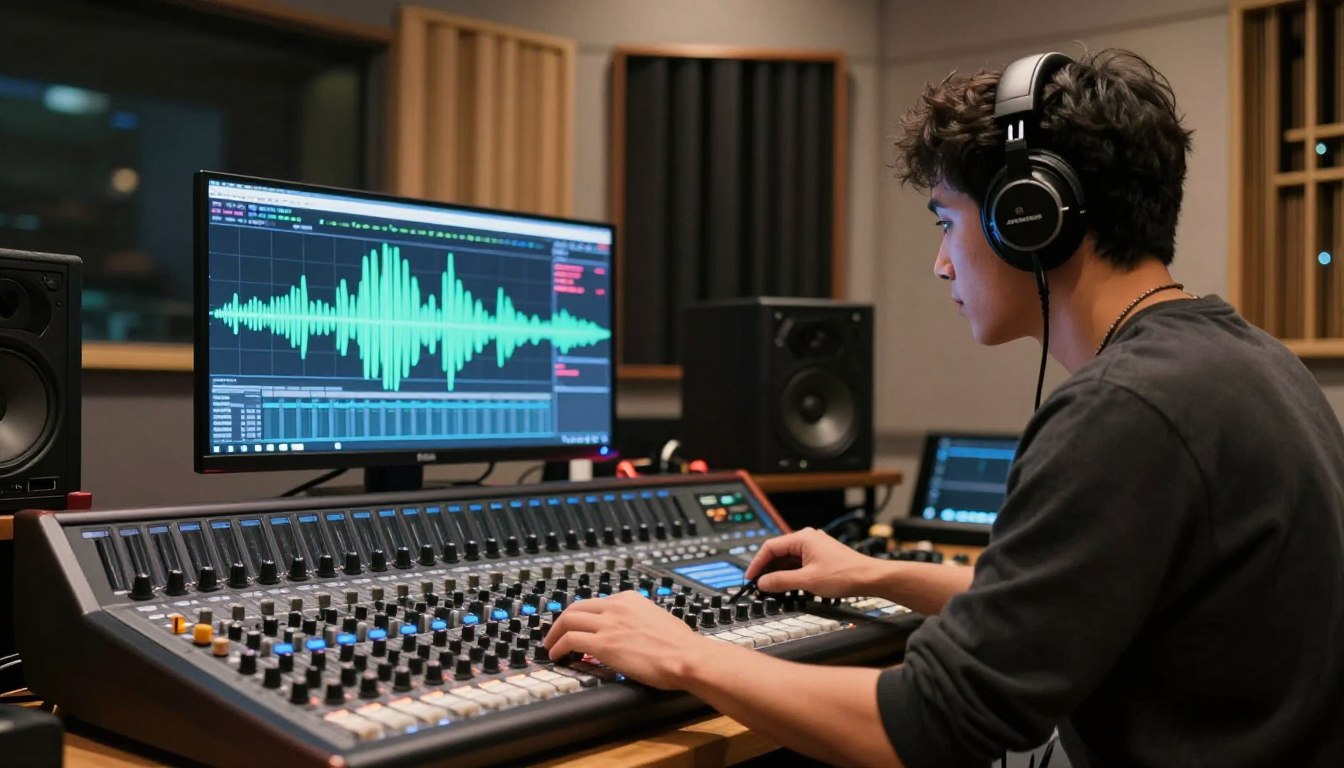
Ever wondered why some videos grab you while others don’t? It’s often about timing. When video frames match the audio perfectly, you get a seamless experience. This keeps viewers engaged from start to end.
Creating this perfect timing isn’t easy. It takes more than basic editing skills. You need to know how ai porn pmv music sync works to keep your content sharp. By learning these technical steps, you can avoid the problem of elements drifting out of sync.
This guide will give you the tools and techniques to improve your projects. We’ll show you how to sync your visuals with the music. This way, your work will be polished, professional, and eye-catching.
Key Takeaways
- Learn the fundamental mechanics of aligning visual frames with audio tracks.
- Discover how to prevent content drift for a smoother viewing experience.
- Master professional techniques to enhance your creative workflow.
- Understand the importance of rhythm in maintaining audience engagement.
- Gain actionable insights to elevate your production quality to industry standards.
Understanding the Fundamentals of Beat Detection
Timing is key in every music video project. Beat detection technology is crucial for syncing audio and visuals. It turns sound waves into a map that editing software can follow easily.
How Audio Analysis Engines Identify Transients
Audio analysis engines look for transients in music files. These are sudden, high-energy spikes that usually happen with percussive sounds. The software marks these points to create a digital grid for your project.
After finding these points, the software calculates the time between them. This helps build a reliable grid for your project. Good beat detection makes sure your visuals match the music’s energy, avoiding sync issues.
The Role of BPM in Video Pacing
Keeping a steady Beats Per Minute (BPM) is crucial for your project’s flow. When visuals match the BPM, they seem natural and in sync. If the pacing is off, your project might feel messy or disconnected from the music.
Always check the tempo of your music before editing. A stable BPM gives you a predictable framework. This lets you plan your transitions and keyframes with confidence. Here’s how different rhythmic elements affect your visual pacing strategy.
| Rhythmic Element | Visual Impact | Sync Priority |
|---|---|---|
| Kick Drum | High Intensity | Primary |
| Snare Hit | Medium Intensity | Secondary |
| Hi-Hat/Cymbals | Low Intensity | Tertiary |
| Melodic Swell | Atmospheric | Optional |
Preparing Your Media for AI Porn PMV Music Sync
Starting a ai porn pmv music sync project well before editing is key. The quality of your assets is crucial. Clean, organized files help tools work better.
Selecting High-Quality Source Material
For top results, pick media with clear audio peaks. These peaks help the software match the music’s rhythm. But, if your audio is unclear or noisy, the software might struggle.
Think about these points when picking your files:
- Resolution: High-definition video is best for sharp visuals during quick cuts.
- Audio Clarity: Opt for tracks with clear percussion or strong bass for better detection.
- Consistency: Steer clear of files with uneven volume to avoid confusing the engine.
“The quality of your input directly dictates the quality of your output. Never underestimate the power of a clean, high-fidelity audio track in a complex synchronization project.”
Optimizing Audio Files for Accurate Analysis
After choosing your material, optimize your audio files for analysis. Use formats like WAV or AIFF for better results. This step helps the ai porn pmv music sync process run smoothly.
Normalizing your audio tracks to a consistent level is also wise. This makes sure the software catches every beat evenly. Proper preparation leads to a seamless ai porn pmv music sync experience.
Setting Up Your AI Synchronization Environment
Creating a solid environment is key to making a precise rhythm map. This map is the core of your edit. A well-set workspace cuts down on tech issues and ensures your visuals match the audio perfectly. It lets you dive into creativity without software hitches.
Choosing the Right Software for Rhythm Mapping
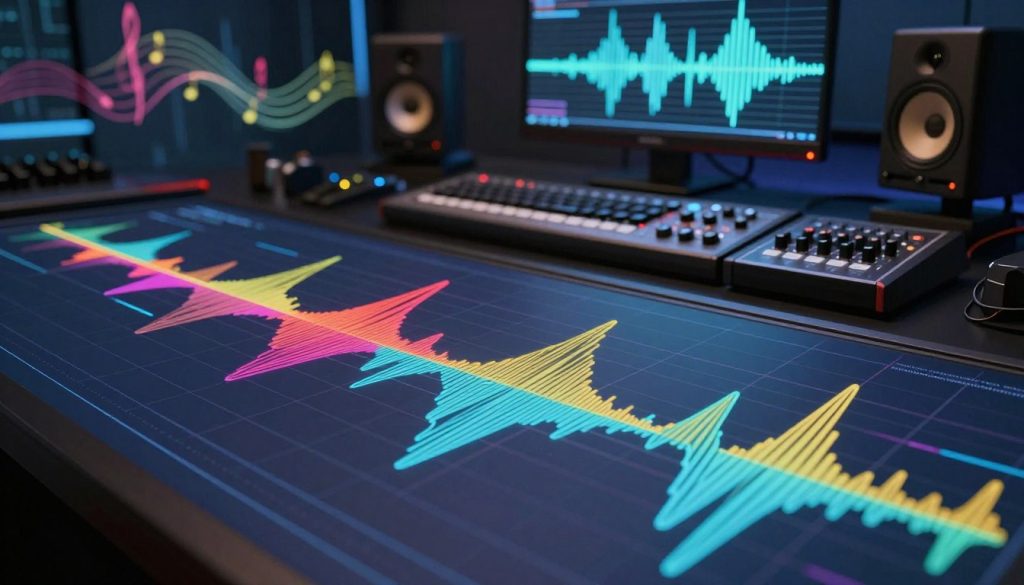
Picking the right software is crucial. Look for tools that support beat detection or integrate AI plugins. Professional editors prefer software that shows visual feedback. This makes checking your rhythm map easier in real-time.
Adobe Premiere Pro and DaVinci Resolve are top choices for handling audio. They have features for complex audio tasks. For more advanced automation, use AI tools that analyze audio and create markers automatically. Here’s a table comparing software based on their sync features.
| Software | Sync Precision | AI Integration | Ease of Use |
|---|---|---|---|
| Adobe Premiere Pro | High | Moderate | High |
| DaVinci Resolve | Very High | High | Moderate |
| Specialized AI Plugins | Excellent | Very High | High |
Configuring Input Parameters for Precision
After picking your software, set up the input parameters for accuracy. First, check your project settings to match the sample rate of your audio. If the rates don’t match, timing issues can mess up your project.
Use your software’s sync options to keep effects in sync. Adjusting your buffer size is also vital for low latency playback. These tweaks help you create a reliable setup for top-notch synchronization.
Step One: Importing and Analyzing the Audio Track
Before you start syncing visuals, you need to analyze the audio first. This is where your ai porn pmv music sync project starts. Making sure your files are right sets up a smooth editing process later.
Loading Files into the Engine
Choose a high-quality audio file, like WAV or AIFF. These formats are best because they don’t have the issues compressed files do. Being consistent here helps the software get the rhythm right.
After loading the file, check if the sample rate matches your project. If it doesn’t, timing problems can be hard to fix later. Good file management helps the engine understand the audio better.
Adjusting Sensitivity for Beat Detection
Next, set the software to catch the beat in the track. Finding the right sensitivity is key. If it’s too low, it might miss some beats. If it’s too high, it could pick up background noise.
Try different sensitivity levels while listening to the track. You want the markers to match the kick drums and snares perfectly. Getting this right makes your ai porn pmv music sync sound natural and rhythmic.
Every track is different, so you might need to check the markers yourself. Manually verifying the markers after the first scan is important. This small step helps your project a lot.
Step Two: Generating the Rhythm Map
Creating a rhythm map is key to turning raw audio into a visual timeline. This step makes complex data easy to follow, showing where to make cuts. It ensures every visual change matches the music’s energy perfectly.
Visualizing the Waveform and Beat Markers
After the software scans your audio, you’ll see a visual of your track. You’ll see a waveform and vertical lines called beat markers. These markers show where the main beats are.
Check if these markers match the waveform’s peaks. If they’re off, you might need to tweak the tempo or re-scan the file. Getting it right here is crucial for a smooth project.
Manual Adjustments for Complex Rhythms
Even with advanced software, some songs have rhythms that are hard to detect. You might need to adjust markers yourself. A small tweak can make a big difference in how the sequence feels.
To fine-tune your rhythm map, zoom in on the timeline. Move markers to match the start of beats or bass drops. Keep it consistent to maintain an organic feel in your final product.
Step Three: Aligning Visual Clips to the Beat
The magic of editing comes when your visuals match the audio perfectly. This is where your vision comes to life on the timeline. It creates a cohesive experience that connects with your audience.
Automated Snapping Techniques
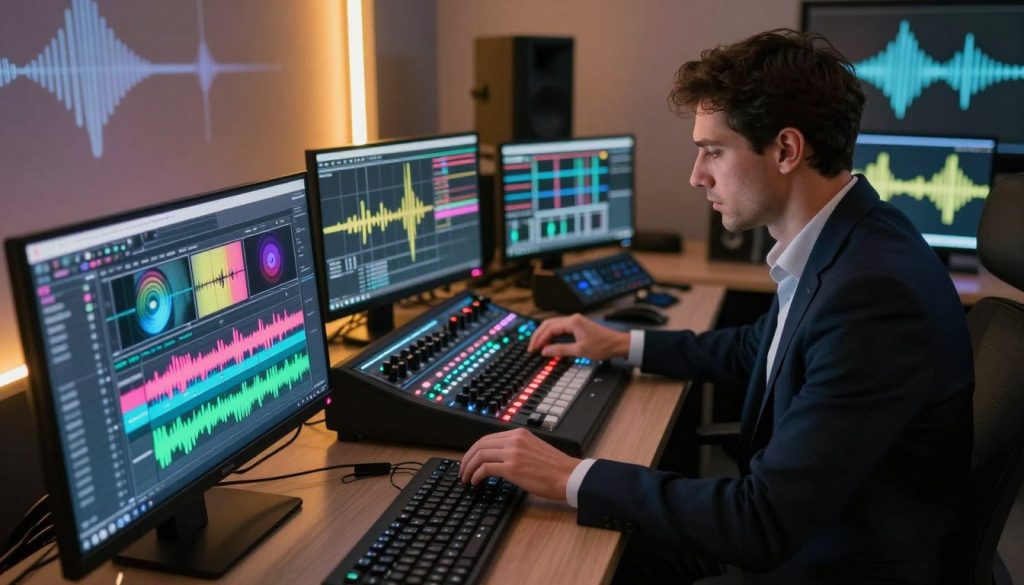
Today’s editing tools make aligning clips easy. Automated snapping ensures cuts fall on beat markers without manual effort. It’s like a magnetic guide, moving clips into place as they near a marker.
Using these sync features might lock controls like the pitch fader. If you need to adjust the tempo, turn off the sync. After fine-tuning, turn it back on to keep your rhythmic precision.
Managing Transitions for Seamless Flow
Transitions are key to your project’s energy. A smooth flow comes from matching your cuts with the music’s intensity. When the music peaks, your transition should be bold to keep viewers engaged.
Don’t overdo complex effects that might disrupt the beat. Stick to clean, rhythmic cuts that echo the music’s rhythm. This keeps transitions smooth and your final product polished.
Advanced Techniques for Dynamic Synchronization
To take your project to the next level, you need to go beyond simple alignment. Mastering dynamic synchronization can turn a basic edit into an immersive experience. A well-made rhythm map is key to these advanced adjustments.
Layering Effects to Match Percussive Hits
For a professional look, focus on how your visuals match the audio. Adding a delay to a song makes the effect sync with the track’s BPM. This creates a rhythmic pulse that feels natural.
Here are some tips for layering effects:
- Apply strobe or flash effects exactly on the snare hits to emphasize the beat.
- Use motion blur transitions that trigger in sync with the bass drops.
- Adjust the opacity of overlays to fade in and out based on the intensity of the percussion.
Using Keyframes for Variable Tempo Changes
Music rarely stays the same, and your editing software must adjust. When a track’s tempo changes, update your rhythm map to keep your visuals in sync. Keyframes let you adjust clip timing during these changes.
Setting keyframes helps you control the pace, even when the music changes. This precision keeps viewers engaged. Without these adjustments, your project might feel disjointed.
Make sure your keyframes match the updated beat markers in your rhythm map. Refining these points ensures your visuals flow smoothly, no matter the music’s complexity.
Troubleshooting Common Sync Discrepancies
When your audio and video start to drift, you need a clear strategy to restore harmony. Even with the most advanced software, minor timing errors can accumulate over time. Identifying these issues early is the best way to ensure your final output remains professional and engaging.
Fixing Drift in Long-Form Projects
Drift often occurs when the internal clock of your software struggles to maintain a consistent relationship between the audio waveform and the visual timeline. If you notice that your clips are slowly falling out of alignment, you must check your tempo settings immediately. Consistency is key to preventing these gradual shifts in longer sequences.
If you need to change the tempo while sync is enabled, you should follow a specific workflow to avoid errors. First, turn sync off to unlock the timeline. Once you have adjusted the tempo to the desired value, you can safely turn the sync feature back on to re-align your markers. This simple reset often resolves the most stubborn drift issues.
Correcting Latency Issues in Playback
Latency is another common hurdle that can make it feel like your audio is lagging behind your visual edits. This delay usually stems from your computer’s buffer settings or hardware limitations during the playback process. Optimizing your playback environment is essential for accurate monitoring.
To correct these delays, try reducing your audio buffer size within your software preferences. A smaller buffer size decreases the time it takes for your system to process audio, which helps align the sound with your visual cues. If you continue to experience issues, ensure that your audio drivers are fully updated and that no background applications are consuming excessive system resources.
Refining the Final Output for Professional Quality
Once your rhythm map is set, it’s time to polish your visual assets. This step turns a bunch of clips into a cohesive professional production. By paying attention to details, you keep your audience fully engaged.
Color Grading and Visual Consistency
Having a uniform look in your project is key for high standards. Even with different cameras or lighting, color grading ties everything together. Use a consistent color profile to balance your clips’ shadows, mid-tones, and highlights.
Consistency helps viewers focus on the rhythm, not brightness or color changes. Use adjustment layers for global effects. Small changes in saturation and contrast can greatly improve your project’s mood.
Export Settings for Optimal Performance
Choosing the right export settings is crucial for a high-quality video. You need to find a balance between file size and visual quality. High-bitrate files look great but might cause issues on mobile devices or slow web streaming.
Make sure your frame rate and resolution match your project settings to avoid artifacts. Here’s a quick guide for the best output parameters based on where you plan to share your video.
| Platform | Recommended Codec | Target Bitrate | Resolution |
|---|---|---|---|
| Web Streaming | H.264 (MP4) | 8-12 Mbps | 1080p |
| Mobile Devices | HEVC (H.265) | 5-8 Mbps | 1080p |
| Archival/Master | ProRes 422 | High (Constant) | 4K |
| Social Media | H.264 (MP4) | 6-10 Mbps | 1080p |
By following these technical tips, your hard work will shine on screen. Professional quality is about more than just editing. It’s about presenting your final file effectively to the world.
Conclusion
Learning to lock your engine to every beat is a game-changer for video creators. You now have the skills to keep your projects tight, professional, and perfectly in sync.
Keep practicing with tools like Adobe Premiere Pro or DaVinci Resolve. This will make your timing better. Don’t stop trying new things to find your own style. Creativity takes time and a good ear for sound.
Your path to perfect audio-visual sync begins with these basics. Use these tips in your next edit to see big improvements. Share your work with others to get new ideas and feedback.
FAQ
What exactly is beat detection and how does it improve my video projects?
Beat detection is a tech process where software, like Adobe Premiere Pro, analyzes audio. It finds high-energy parts, like a snare hit, that set the rhythm. This creates a map that helps you cut your video in sync with the music.
Why is maintaining a consistent BPM so critical for high-quality pacing?
BPM is the rhythm of your edit. If your visuals don’t match the music, it feels off. Keeping your pace in sync with the BPM makes your video flow smoothly.
How can I ensure my software environment is set up for an accurate rhythm map?
For a precise rhythm map, set your input parameters to match your audio’s sample rate. Tools like Ableton Live or MetaSound help create a stable setup. This avoids mistakes in identifying beats.
Can I automate the process of aligning visual clips to the music?
Yes, you can use automated snapping to align clips. This makes your editing faster and keeps the flow smooth. It keeps your audience engaged.
How do I handle songs that have variable tempo changes or complex rhythms?
For songs with changing tempos, use keyframes to adjust the rhythm map. This keeps your sync accurate. You can also layer effects to catch specific beats, adding depth.
What should I do if I notice audio and video drift in a long-form project?
Drift happens in long edits due to sample rate issues. Check your sync every five minutes and use “slip” edits to fix it. Make sure your export settings match your sequence settings to avoid issues in the final video.
How do I correct latency issues during the playback of my sync project?
Latency is often due to hardware buffer lag. Lower your buffer size in your audio settings or pre-render your effects. This ensures your visuals match the audio perfectly.