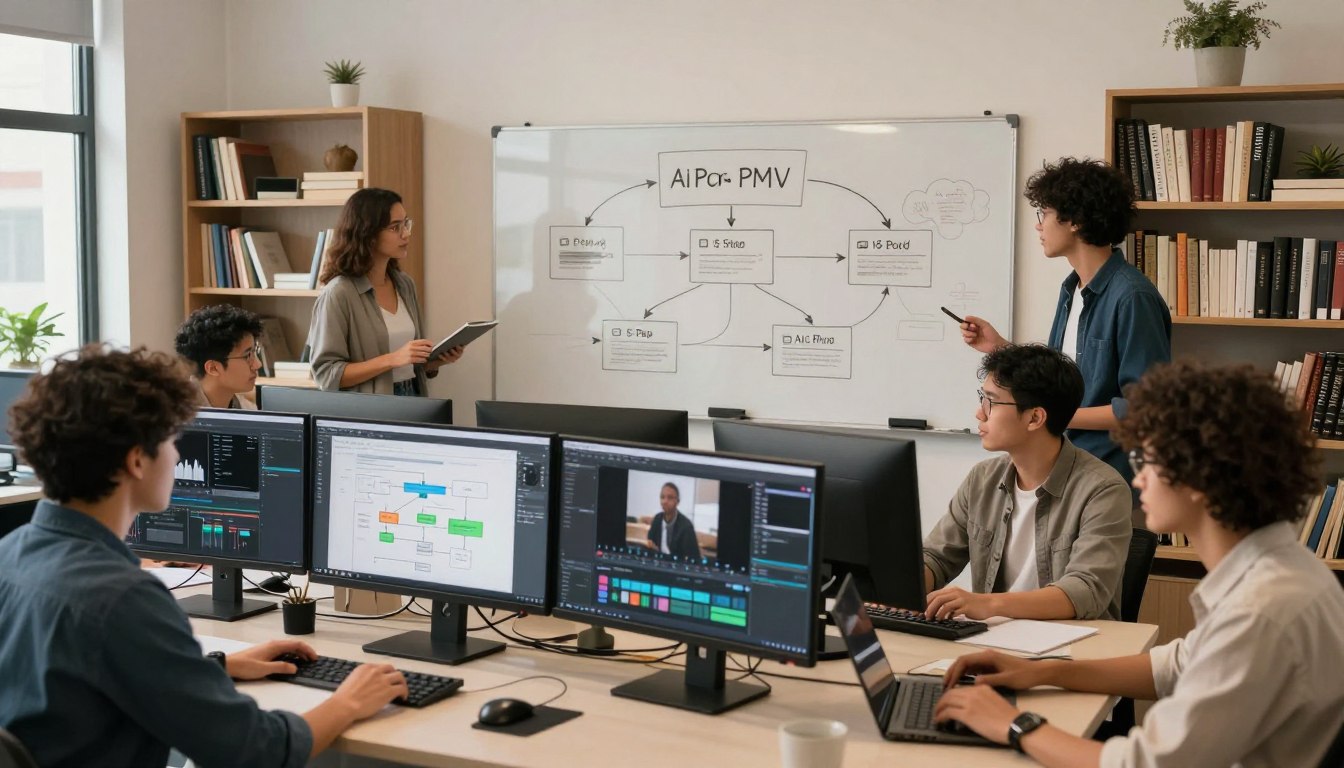
Ever wondered how top creators keep their work consistent and high-quality? It’s not just about creativity. It’s about having a structured approach to your work.
Today’s content making is all about speed and security. Just like Miro AI, your workflow should keep your data safe. A solid ai porn pmv workflow keeps your work safe and makes production smoother.
This guide will show you the key steps to make top-notch content. You’ll learn how to keep your projects safe and efficient from start to finish.
Key Takeaways
- Prioritize security by using tools that offer granular access controls and ISO 42001 certification.
- Establish a consistent production cycle to improve the quality of your final digital assets.
- Protect your creative data throughout the entire development lifecycle to prevent unauthorized access.
- Streamline your technical processes to meet modern industry standards for professional content.
- Focus on a structured 5-step method to scale your output without sacrificing security or performance.
Understanding the AI PMV Landscape
New software tools are changing how adult content is made. In today’s competitive digital market, learning an efficient ai pmv workflow is crucial for creators.
The Evolution of Adult Content Creation
Before, making top-notch video content was hard work and expensive. Creators spent hours editing frame by frame to get it right. Now, the field has moved towards digital precision.
Using a streamlined ai pmv workflow cuts down on tedious tasks. This lets you focus more on your creative ideas, not technical issues.
Why AI is Changing the PMV Industry
The PMV industry is changing fast, like the tech world. Just as Datadog became a Leader in Gartner’s Magic Quadrant for Observability Platforms in 2025, creators need advanced tools to keep up.
Adding AI to your ai pmv workflow gives you a big advantage. You can make high-quality visuals that match your music tracks easily.
This tech change gives you more creative freedom. It automates boring tasks, letting you try new styles and work faster. Adopting these new tools is key to making your projects shine in a crowded online world.
Preparing Your Creative Vision and Assets
Success in digital content creation begins long before you start working. Having a clear creative vision is crucial. It helps you avoid common problems and ensures your final product meets your expectations.
Defining Your Aesthetic and Theme
Your aesthetic is the visual heartbeat of your project. Before starting, choose your color palette, lighting, and mood. Being consistent is vital for a professional brand that connects with your audience.
Consider the atmosphere you want to create. Whether it’s dark and cinematic or bright and energetic, keep it consistent. A unified theme helps your viewers feel a deeper connection with your content.
Organizing Your Source Material
Good file management is key to a smooth workflow. Just like the Sidetrade O2C Intelligence Platform, you should keep your files organized and secure. Categorize your assets by type, date, or scene to save time during editing.
Set up a folder structure for each project. Keep raw AI generations, music, and project files in separate folders. This methodical approach lets you find any asset quickly, freeing you to focus on creativity.
Step 1: Selecting the Perfect Music Track
Your creative journey begins with choosing the right music. This choice is the heart of your project. It sets the pace and mood of every scene.
Matching Tempo to Visual Intensity
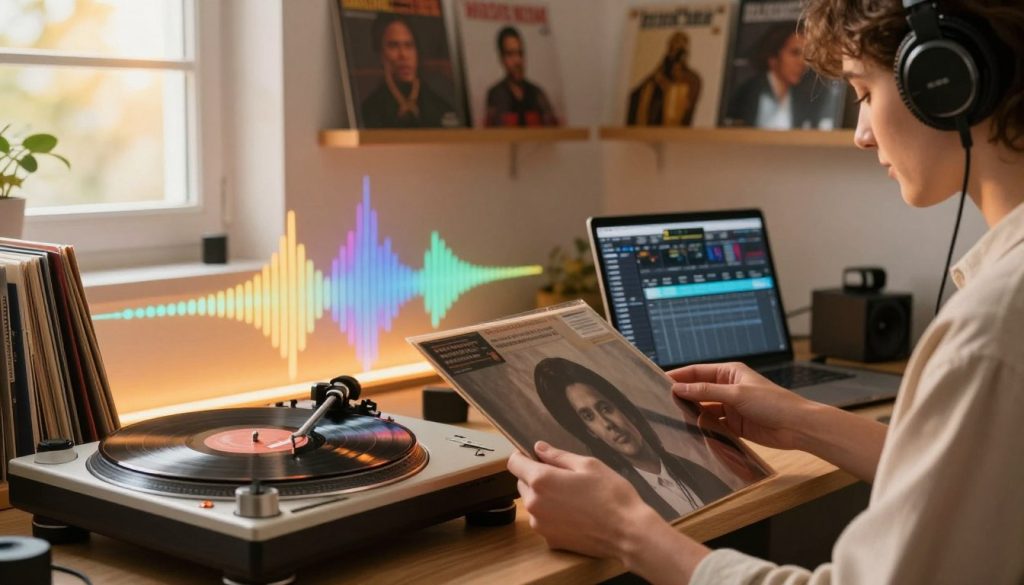
To create a great viewing experience, match the music’s rhythm with your video’s intensity. Fast-paced tracks are perfect for action scenes. Slow melodies are better for detailed moments.
When picking music, look at the waveform. Identify peaks and drops to time your cuts. This makes every transition smooth and professional.
Copyright Considerations for Adult Content
When making adult content, you must follow the law. Many platforms have strict rules about using copyrighted music. Using tracks without permission can get your account in trouble.
Always check the licensing of your audio before using it. Licensed or royalty-free tracks keep your content safe. This way, your work stays available to your viewers.
Finding Royalty-Free Audio Sources
Look for high-quality audio in dedicated libraries for creators. These places offer many genres. They help you select music that fits your theme without copyright issues.
| Source Platform | License Type | Best For |
|---|---|---|
| YouTube Audio Library | Public Domain | Beginners |
| Epidemic Sound | Subscription | Professional Edits |
| Free Music Archive | Creative Commons | Niche Aesthetics |
Using these resources keeps your production professional and safe. Spending time on music selection greatly improves your video’s quality.
Step 2: Generating AI Visuals and Clips
The second step in your workflow is turning static ideas into moving, AI-created images. It’s important to understand how your tools work with data. Just like Miro AI helps teams create visual workflows, you can make a library of prompts for consistent results.
Utilizing Stable Diffusion for Character Consistency
Keeping your characters looking the same is a big challenge in AI projects. Use LoRA (Low-Rank Adaptation) models or special character settings to keep facial features and body types the same. Training or picking a specific model helps avoid style changes in long sequences.
It’s not just about the face; the environment and lighting matter too. Keep your seed numbers the same for different views of the same scene. This careful method keeps your audience engaged without visual distractions.
“The secret to great AI art is not just the prompt, but the iterative process of refining your parameters until the machine understands your unique vision.”
Prompt Engineering for High-Quality Results
Getting high-quality results means talking clearly to the model. Start with a clear prompt that covers the subject, action, and style. Simple sentences work best to avoid confusion.
Use negative prompts to remove unwanted details like wrong limbs or blurry backgrounds. Testing different words helps find the best look. Remember, getting better at prompt engineering takes practice with each project.
Refining Motion and Lighting Parameters
After your images are perfect, work on the motion and lighting. Adjusting these settings makes your clips look smooth or dynamic. Adding the right lighting, like rim lighting or soft glows, makes your work look professional.
| Parameter | Low Setting | High Setting |
|---|---|---|
| Motion Strength | Subtle, slow movement | Dynamic, fast action |
| Lighting Contrast | Flat, even exposure | Dramatic, moody shadows |
| Denoising Level | High detail retention | Creative, abstract flow |
Step 3: Editing and Syncing to the Beat
Turning raw AI clips into a polished PMV needs a keen eye for rhythm and flow. This stage is where your creative vision comes to life. You focus on the timing and sequencing of your audio and visual assets.
By doing this, you create a professional experience that keeps viewers engaged. It’s all about the relationship between your audio and visual assets.
Choosing the Right Video Editing Software
Choosing the right software is key to your post-production workflow. Tools like Adobe Premiere Pro or DaVinci Resolve are top choices. They offer advanced features for high-end video manipulation.
These platforms have timeline controls for managing multiple layers of high-resolution footage. They make editing easier.
If you’re new, look for software that’s powerful yet easy to use. It should support frame-accurate editing and have many export options. Your choice should match your hardware and your editing comfort level.
Techniques for Rhythm-Based Cutting
Just like analyzing data, you must analyze your footage to find the perfect sync points. Treat your video timeline like a data set. Identify the exact moments where the beat drops or the melody shifts.
Syncing your cuts to these audio cues creates a connection for the viewer. It makes the video feel more immersive.
Start by marking your timeline with audio peaks. Align your visual transitions or clip changes with these markers. This ensures a tight, rhythmic flow. Consistency is key; even small timing adjustments can change the energy of your final product.
Adding Transitions and Visual Effects
Transitions are what hold your narrative together. While flashy effects might be tempting, subtle cuts often provide the most professional look. Use simple cross-dissolves or match cuts to keep the viewer’s focus on the character performance.
You can also add color grading or light overlays to unify your AI-generated clips. These effects help blend different generations into a cohesive visual language. Always preview your work at full speed to ensure natural pacing and no visual glitches.
Step 4: Enhancing Quality with AI Upscaling
To make low-resolution AI look great, you need a smart post-production plan. Just like software uses many tools to get data, you use intelligent synthesis to add missing details. This makes your video sharp and professional on any screen.
The Role of Topaz Video AI in Post-Production
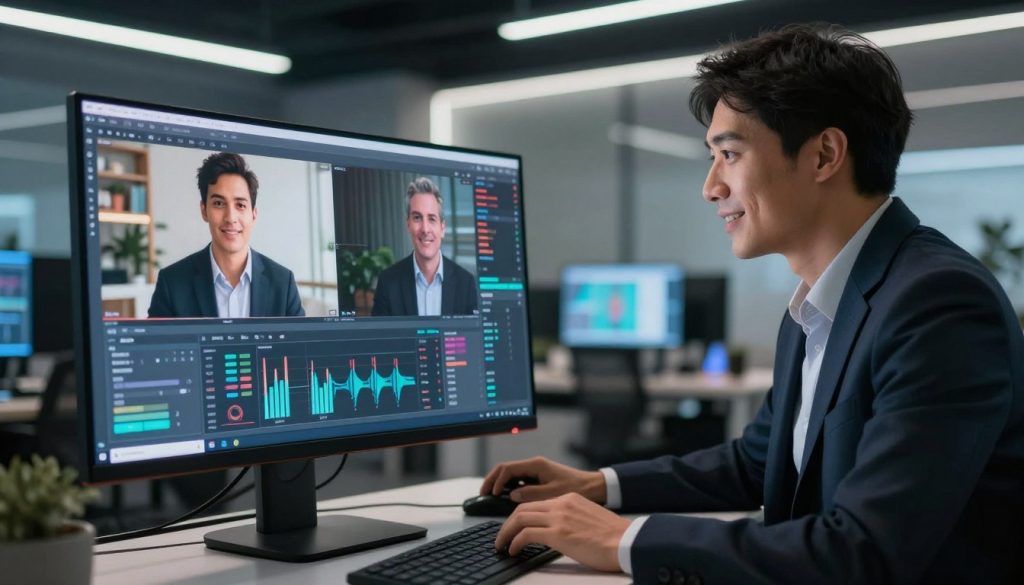
Topaz Video AI is key for creators wanting better results. It sharpens edges and removes noise from AI clips. This way, you can significantly improve the visual clarity of your project without starting over.
Improving Frame Rates and Resolution
AI tools can also boost your footage’s frame rate. This makes your video smoother, especially for fast scenes. Going from standard to 4K makes your content pop on today’s screens, keeping every detail sharp and interesting.
Managing Render Times and Hardware Load
Upscaling is tough on your computer. Keep an eye on your GPU and CPU during export. Batch processing is a smart move. It lets you render many clips at once, so you can work on other things while it runs.
| Upscaling Method | Resolution Target | Processing Speed | Visual Quality |
|---|---|---|---|
| Proteus Model | 4K (UHD) | Moderate | High |
| Gaia Model | 1080p (FHD) | Fast | Medium |
| Iris Model | 4K (UHD) | Slow | Excellent |
Step 5: Export and Share Your Final PMV
Finishing your project is more than just rendering. It’s about making sure your content is ready for the web. When you export your work, you need to balance how it looks with its size. This ensures it plays smoothly.
Just like Datadog helps move data to the cloud smoothly, you need a plan to share your content online.
Optimizing Export Settings for Web Platforms
Most platforms work best with H.264 or H.265 codecs in an MP4 container. Aim for a constant bitrate that keeps quality high without making files too big. This prevents long buffering times.
Being consistent in your settings makes your video look professional on any device.
Before final rendering, check your resolution and frame rate. A 1080p or 4K output at 60 frames per second is usually best for detailed content. Also, make sure your audio levels are even to avoid annoying volume spikes.
Best Practices for Metadata and Tagging
Metadata is key to being found. Use descriptive titles with relevant keywords to help search algorithms. Strategic tagging helps your audience find your work.
Write a short description that captures the essence of your video. Avoid stuffing keywords to prevent losing reach. Instead, focus on giving context that makes users want to click and watch.
Navigating Platform Guidelines and Safety
Every hosting site has rules about adult content. You must read these terms carefully to avoid trouble. Safety protocols often require age-gating or content warnings to follow laws.
Keep your content within safety standards to ensure it stays accessible. If problems arise, check the platform’s help center. Staying informed helps protect your brand and keeps your community safe.
Mastering the AI Porn PMV Workflow
To excel in your creative work, you need a structured approach to the ai porn pmv workflow. Just like Miro AI sidekicks, you should keep your creative process open. This openness helps you track your progress and see where you need to improve.
Iterative Improvement and Feedback Loops
Every project is a chance to learn and grow in the ai porn pmv workflow. Create a feedback loop to see what your audience likes. Data-driven decisions help you change your approach if something doesn’t work.
Keep a record of your editing choices to see what works best. Reviewing your past work helps you find patterns to improve. This way, your work quality will keep getting better.
Building a Unique Creator Brand
Creating a unique identity is key to success online. Your ai porn pmv workflow should have a signature style that viewers recognize. Being consistent in themes, music, and editing builds trust with your audience.
Building a brand is more than just making videos. It’s about being reliable and consistent. Delivering quality work on time turns viewers into loyal fans. Use the table below to compare different ways to grow your channel.
| Strategy | Focus Area | Expected Outcome |
|---|---|---|
| Iterative Testing | Visual Pacing | Higher Retention |
| Brand Identity | Unique Aesthetic | Increased Loyalty |
| Feedback Loops | Audience Input | Content Relevance |
Essential Software and Hardware Requirements
Having a solid technical base is key for a smooth ai pmv workflow. Just like teams use a maturity model, check your setup to spot issues. Getting the right tools early helps avoid delays and lets your creativity grow.
GPU Specifications for Efficient Generation
The graphics processing unit is crucial for your ai pmv workflow. You need a card with lots of VRAM for detailed images and videos. NVIDIA is top for AI tasks because of its CUDA cores.
Look for at least 12GB VRAM, but 16GB or more is better for 4K and long videos. A strong GPU cuts rendering time from hours to minutes, freeing up time for creativity.
Recommended AI Tools and Plugins
Your software choices affect your project’s quality. Choose tools that work well with your current setup. Stable Diffusion is key, with plugins making your videos look great.
Here are some benchmarks for a top production setup:
| Component | Entry Level | Professional Grade |
|---|---|---|
| GPU VRAM | 8GB – 10GB | 16GB – 24GB |
| Primary Software | Stable Diffusion WebUI | ComfyUI / Automatic1111 |
| Upscaling Tool | Basic AI Upscalers | Topaz Video AI |
| System RAM | 16GB | 32GB+ |
Matching your hardware to these specs keeps your ai pmv workflow running smoothly. Always update your drivers for the latest AI model support.
Troubleshooting Common Production Issues
When your workflow hits a snag, knowing how to diagnose the issue quickly saves you hours of frustration. Even with the best preparation, you may encounter visual artifacts or technical glitches that require immediate attention. Much like how Miro AI includes automatic sensitive content blocking to protect data across four global regions, you should implement systematic checks to identify and resolve errors in your video files.
Fixing Artifacts and Glitches
Visual artifacts often appear as flickering pixels or distorted textures in AI-generated frames. You can usually resolve these by re-running the generation process with a slightly adjusted seed value. If the problem persists, consider lowering your denoising strength to maintain better structural integrity.
Sometimes, these glitches occur during the upscaling phase. If your upscale software struggles with specific frames, try processing those segments individually or using a different model setting. Consistency is key to maintaining a professional look throughout your entire project.
Solving Syncing Discrepancies
Audio and visual alignment is the backbone of a high-quality production. When you select music for your project, ensure the track has a clear, consistent beat that makes editing easier. If you notice the visuals drifting away from the rhythm, check your project frame rate settings to ensure they match your source files.
If you find that your chosen audio does not align perfectly, you may need to adjust your cuts manually. It is often helpful to select music that features distinct peaks in the waveform, as these serve as natural markers for your visual transitions. Use the following table to identify and address common production errors quickly.
| Issue Type | Primary Cause | Recommended Fix |
|---|---|---|
| Visual Flickering | High Denoising Strength | Reduce Denoising Value |
| Audio Drift | Frame Rate Mismatch | Sync Project to 30/60 FPS |
| Blurry Textures | Low Resolution Source | Apply AI Upscaling Pass |
| Beat Mismatch | Poor Track Selection | Re-edit to Waveform Peaks |
Conclusion
Building a professional workflow for AI-assisted video production makes your creative dreams come true. It combines technical skill with artistic touch for top-notch results.
It’s important to keep learning to stay ahead in the fast-changing world of video production. Events like Datadog’s DASH in New York City offer hands-on learning. These experiences help you find your unique voice.
Now, you’re ready to share your work with people all over the world. Regular practice helps you get better at using the tools and techniques needed for success online.
Don’t stop trying new things and exploring different editing styles. Your ability to create and share great content will help you grow as a creator. Keep working towards your goals and building your brand.
FAQ
Why is adopting a structured ai pmv workflow important for content creators?
A structured ai pmv workflow keeps your work safe and consistent. It follows Miro AI’s ISO 42001 standards. This way, you protect your digital work and make it smooth from start to finish.
How do I select music that complements my AI-generated visuals?
To pick the right music, check its BPM and emotional feel. Like Datadog finds trends, match your video’s rhythm with the music. This makes your video and music work together perfectly.
What is the best way to maintain character consistency across different clips?
Use Stable Diffusion and standard prompts to keep characters the same. Miro AI uses templates for this. It helps your characters look the same in every part of your project.
Which tools are recommended for enhancing video resolution and frame rates?
Topaz Video AI is top for making videos clearer and smoother. It uses smart data to make your videos look great on any screen, keeping your AI work perfect.
How can I ensure my content is discoverable after I export share it?
For success in sharing, use smart tags and metadata. Like Datadog helps move data to cloud services, set up your files and tags right. This meets your audience’s needs and keeps your content safe.
What hardware requirements are necessary for an efficient ai pmv workflow?
You need strong NVIDIA GPUs with lots of VRAM for AI tasks. Check your setup like Datadog does. This helps avoid problems in your work.
How do I handle common glitches or syncing discrepancies in my PMVs?
Check for visual issues with tools and your eyes. Like Miro AI blocks sensitive content, fix problems to keep your video and audio perfect.
Where can I find more insights on the latest AI video trends and techniques?
Join events like Datadog’s DASH in New York City. Also, read the Datadog State of AI Engineering report. Learning from others helps you grow your unique style in the digital world.