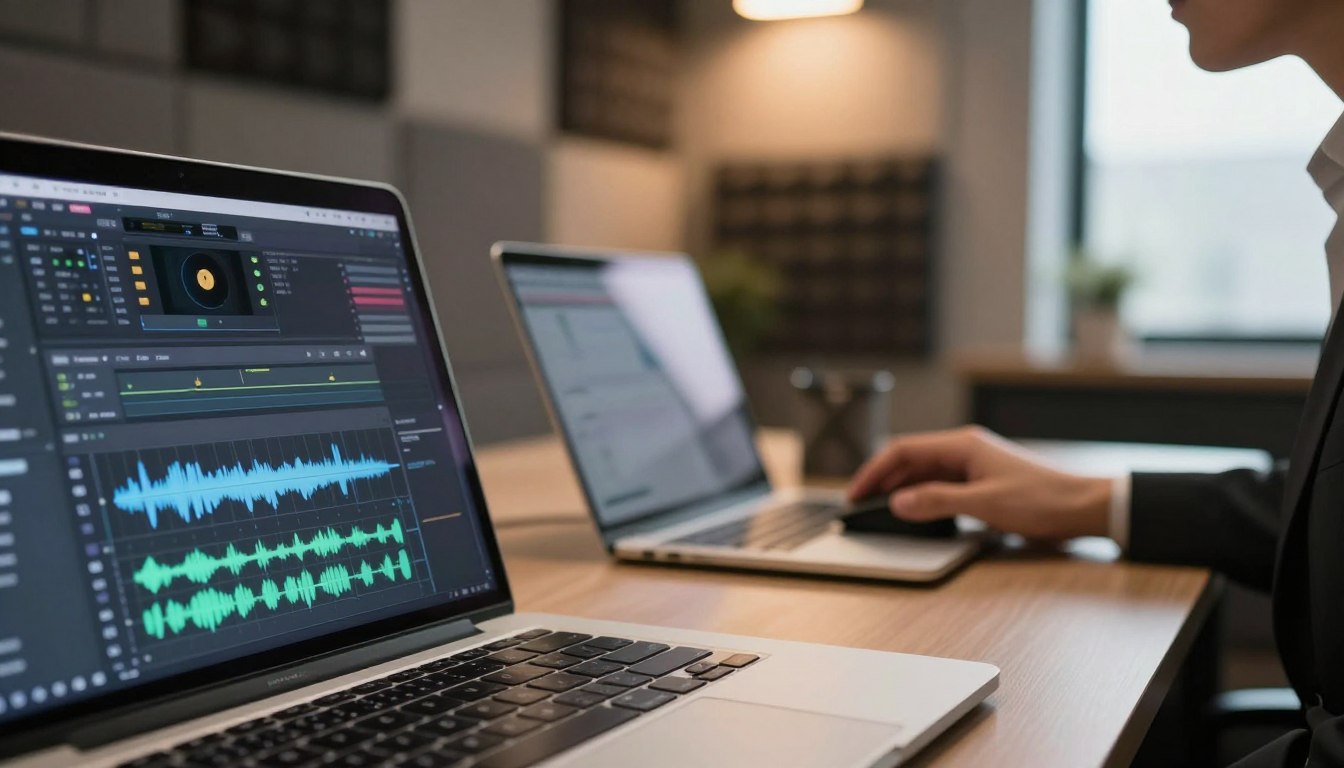
Ever wondered why your projects sound great on one device but not another? Getting the perfect sound takes more than a good idea. It needs technical skill.
When you get your files ready, proper formatting and the right volume are key. These steps help make sure your audio is clear and engaging for everyone.
This guide helps you overcome technical challenges in your ai porn pmv audio upload process. By following these steps, you’ll build a strong foundation. You’ll also feel more confident in handling complex media tasks.
Key Takeaways
- Select the correct file formats to ensure maximum compatibility across all platforms.
- Maintain consistent volume levels to prevent clipping or quiet playback issues.
- Use seamless looping techniques to create an immersive and uninterrupted experience.
- Verify your settings before finalizing your project to avoid common technical errors.
- Focus on high-quality source files to improve the overall impact of your creative output.
Preparing Your Audio Files for AI Porn PMV Upload
Your journey to a perfect pmv audio upload starts with preparing your files. Organizing your assets well keeps the final sound clear. This step helps avoid playback problems that can ruin your work.
Selecting the Right Source Material
The quality of your original recording is key. Always go for uncompressed files for the best sound. Don’t use files that have been heavily edited or converted many times, as they can introduce bad sounds.
When picking your tracks, listen for any background noise or distortion. Clean, high-quality audio is essential for a great pmv audio upload. Poor source material can make even the best AI tools fail to deliver a professional sound.
Understanding Sample Rates and Bit Depth
Sample rates and bit depth are crucial for digital sound. A higher sample rate means more detail, and a higher bit depth means a wider range of sound. Using the right settings helps your files work well on most platforms.
The table below shows the best settings for professional-grade audio in your production:
| Setting Type | Standard Quality | High Fidelity | Broadcast Ready |
|---|---|---|---|
| Sample Rate | 44.1 kHz | 48 kHz | 96 kHz |
| Bit Depth | 16-bit | 24-bit | 32-bit Float |
| File Format | MP3 (320kbps) | WAV (Lossless) | FLAC (Compressed) |
Following these standards keeps your audio clear and rich throughout the process. Always check these settings in your audio workstation before exporting your files.
Choosing Between WAV and MP3 Formats
Choosing the right file format is key for your audio work. When you pick between wav vs mp3, you’re choosing between top quality and easy storage. Knowing the difference helps make sure your project looks professional.
Why WAV is the Industry Standard for Quality
The WAV format keeps all the data from the recording. It’s uncompressed, so it’s the top choice for high-quality work. WAV stops the loss of quality that happens when you edit a lot.
“In the world of professional audio, the integrity of the source file is paramount. Choosing uncompressed formats ensures that your creative vision is preserved exactly as intended.”
WAV files keep the full sound range, giving you the highest possible clarity. This is key for projects needing top sound quality. WAV is the top choice for those who value sound quality above all.
When to Use MP3 for File Size Efficiency
MP3 files are great for efficiency because they use lossy compression. They remove sound data that’s hard to hear, making files smaller. Use MP3 when you need files to load fast or when storage is tight.
MP3 is good for sharing content online because it’s small. Many people find high-bitrate MP3s good enough for casual listening. Here’s a table to help you choose between WAV and MP3.
| Feature | WAV Format | MP3 Format |
|---|---|---|
| Compression | Uncompressed | Lossy Compression |
| File Size | Large | Small |
| Audio Quality | Professional/Master | Good/Consumer |
| Best Use | Editing & Archiving | Web & Streaming |
The choice between wav vs mp3 depends on where you’ll share your work. Always use WAV in production to keep options open. Then, switch to MP3 for sharing if file size matters.
Mastering Your Audio for Optimal Playback
Getting your audio just right is key for a top-notch sound. Mastering makes sure your music sounds balanced and clear everywhere. It’s all about fine-tuning your levels for the best listening experience.
Setting Target LUFS for Consistent Volume
Loudness Units relative to Full Scale (LUFS) measure how loud your audio sounds. Setting a target LUFS helps keep your music at the right volume. This way, your listeners won’t have to keep adjusting their volume.
Digital platforms work best with audio in a certain range. Aim for -14 to -16 LUFS for online streaming. This balance keeps your music loud enough but not too loud.
| Platform Type | Target LUFS | Peak Limit |
|---|---|---|
| Streaming Services | -14 LUFS | -1.0 dB |
| Video Portals | -16 LUFS | -2.0 dB |
| Mobile Devices | -12 LUFS | -0.5 dB |
Using Compression to Prevent Clipping
Compression is a crucial tool in mastering. It controls the loudness of your audio, preventing distortion. Without it, your music might sound harsh or distorted at high volumes.
Use a gentle compression ratio, like 2:1 or 4:1. Subtle adjustments are better than overdoing it. This way, your audio stays clean and professional for all listeners.
Step-by-Step Guide to AI Porn PMV Audio Upload
To successfully upload your ai porn PMV audio, you need to know the platform’s rules. A clear process helps avoid technical problems. This way, your work reaches your audience as you intended.
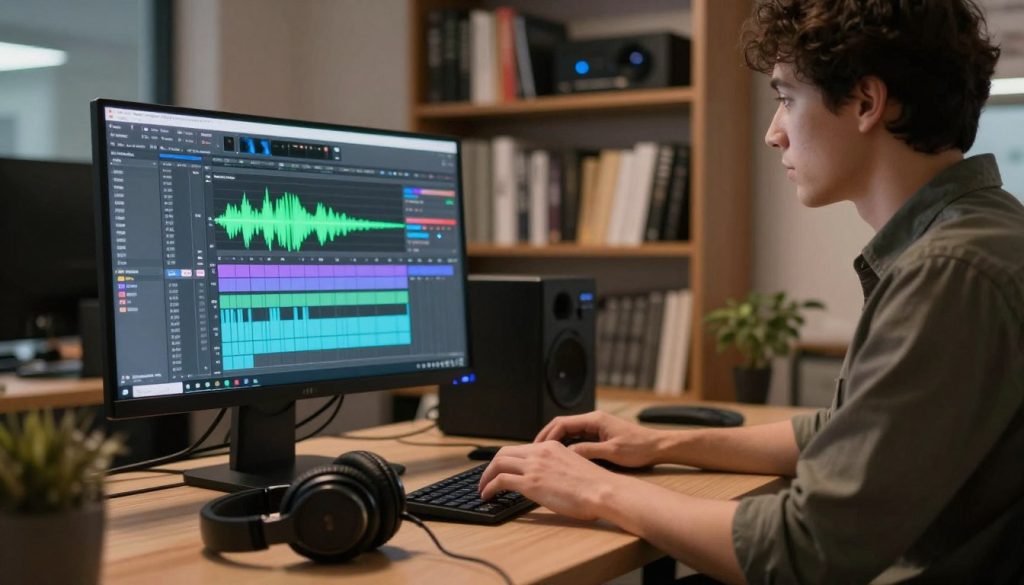
Navigating the Upload Interface
Most platforms have a simple dashboard for uploading. You’ll find an “Upload” button to start. It opens a file browser or a drag-and-drop area for your files.
Make sure you’re logged in before you start. Always double-check you’re uploading to the right folder. This keeps your files organized and easy to find later.
Verifying File Compatibility Before Submission
Before you submit, check if your files meet the platform’s standards. If your project has complex tracks, zip them together. This keeps them together during upload.
Ensure your files’ sample rates and bit depths match the site’s needs. Proper preparation here prevents quality loss. Your audio will sound clear when played back.
Troubleshooting Common Upload Errors
Even with careful prep, you might face technical issues. Problems often come from internet problems or too big files for a ai porn PMV audio upload.
If you hit a snag, try clearing your browser cache or use a wired connection. The table below helps you quickly fix common PMV audio upload problems.
| Issue Type | Common Cause | Recommended Fix |
|---|---|---|
| Upload Timeout | Slow internet speed | Use a wired connection |
| Format Rejection | Unsupported file type | Convert to WAV or MP3 |
| File Size Error | Exceeds platform limit | Compress or split files |
| Metadata Mismatch | Corrupt ID3 tags | Clear and re-save tags |
Techniques for Seamless Audio Looping
Creating a seamless loop keeps your audience engaged without interruptions. When your audio repeats perfectly, it keeps the rhythmic energy of your project alive. This prevents listener fatigue. Mastering these editing skills makes your content sound professional and polished.
Identifying Natural Zero-Crossing Points
A zero-crossing point happens when the audio waveform meets the center axis. Cutting your audio at these points prevents audible clicks. Aligning your loop boundaries at these points ensures a clean transition.
Most modern digital audio workstations (DAWs) have a “snap to zero-crossing” feature. This feature automatically adjusts your selection. Always check these points manually by zooming in on the waveform. This simple step greatly improves the perceived quality of your audio loops.
Using Crossfades to Eliminate Clicks and Pops
It can be hard to find a perfect zero-crossing point with complex musical textures or background noise. In these cases, a short crossfade at the loop boundary is the best solution. A crossfade blends the end of your clip with the beginning, creating a smooth transition that masks any potential artifacts.
Keep your crossfade duration short, typically between 5 and 20 milliseconds, to avoid noticeable volume dips. This technique effectively blends the two ends of the audio file. It results in a continuous sound that feels completely natural. The following table outlines the best practices for managing your loop transitions.
| Technique | Primary Benefit | Best Use Case |
|---|---|---|
| Zero-Crossing | Prevents DC offset clicks | Simple, rhythmic percussion |
| Short Crossfade | Smooths volume jumps | Complex melodic textures |
| Loop Point Markers | Ensures precise timing | Long-form ambient soundscapes |
Synchronizing Audio with Visual Transitions
The secret to a great experience is when audio and visuals match perfectly. This makes your content feel polished and intentional. It’s what makes a project look professional.
Matching Beats to Scene Changes
To make a project stand out, treat your audio as a guide for edits. Aligning beats with scene changes keeps viewers hooked. Rhythmic consistency is key to keeping the video moving.
Here are some tips to get your timing right:
- Use transient markers in your editing software to find the start of a beat.
- Make scene cuts right on these markers for a perfect sync.
- Listen to your track on repeat to check if the rhythm feels natural.
Adjusting Latency for Perfect Alignment
Even with perfect edits, you might notice a delay. This is called latency. Latency adjustment is crucial for audio and video to match.
If your audio lags behind, here’s how to fix it:
- Check your software’s buffer settings to lower the delay.
- Use a sync-test video to measure the delay.
- Apply a global delay offset in your project settings to fix the lag.
Calibrating your system ensures your hard work pays off. A perfectly aligned project offers a seamless experience. It lets your audience focus on your vision.
Managing Metadata and File Naming Conventions
Having a good system for naming files and managing metadata can change how you work with audio. As your collection grows, finding the right file can slow you down. Creating a consistent system from the start keeps your work flowing smoothly.
Organizing Your Library for Quick Retrieval
Begin by setting up a clear folder structure. This separates raw recordings from final versions. Use a standard naming format like YYYY-MM-DD_ProjectName_Version. This makes it easy to find files without getting lost in a sea of “final_v2_fixed.”
It’s also important to keep different types of audio in their own folders. This includes loops, one-shots, and full tracks. Keeping things consistent helps as your library grows.
Adding Tags for Better Searchability
Metadata is crucial for a searchable library. It lets you filter by important details like BPM and key signatures. This makes finding the right audio for your project quick and easy.
Many tools let you add custom tags to your files. Use tags like “mood,” “genre,” or “instrument type” to organize your sounds. By tagging your files well, you create a responsive database that supports your creativity.
Optimizing Audio for Different AI Platforms
Adjusting your audio files for different AI platforms is key. Each system has its own rules that can change how your audio sounds. By tweaking your settings early, you keep your content sounding great no matter where it’s hosted.
Platform-Specific Requirements and Constraints
Most AI systems work best with files that follow standard specs. Exporting at 48kHz is the top choice for compatibility. This sample rate helps avoid playback issues and keeps your audio clear.
File size and container formats are also crucial. Platforms have limits to manage server load. Here are some key tips:
- Check the max file size for each platform.
- Use WAV format for the best quality during upload.
- Set bit depth to 24-bit to keep dynamic range.
- Make sure your files have the right metadata headers.
Testing Your Audio Across Multiple Devices
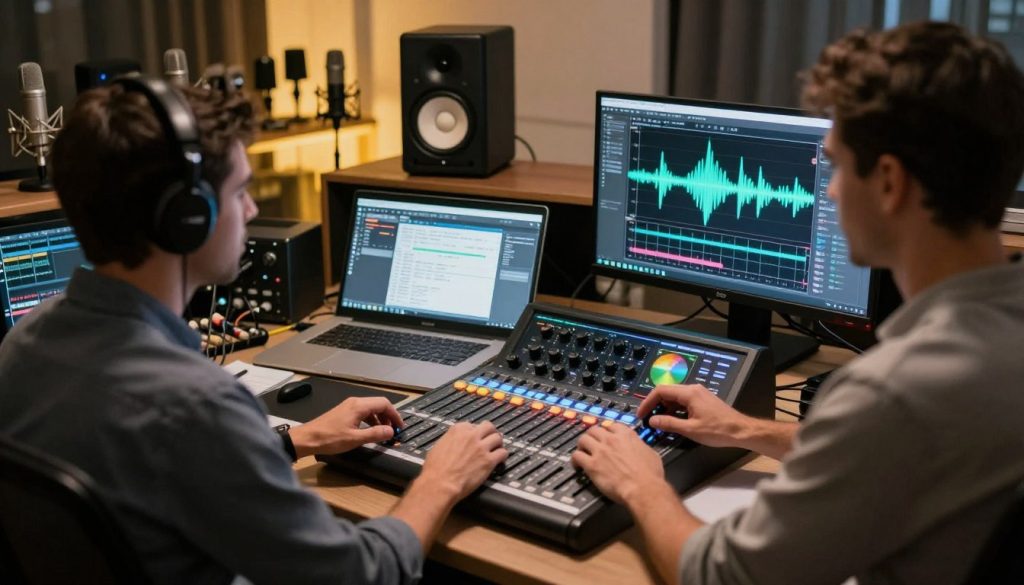
After optimizing, test your audio in real-world settings. What sounds great in your studio might not on mobile speakers or web players. Consistent performance is key for professionals.
Test on three different devices: studio headphones, laptop speakers, and a mobile device. This checks for issues with sound balance or volume that might not show up on your main monitor.
If your audio sounds thin or distorted on smaller devices, tweak your compression. Testing across multiple devices helps you make choices that benefit everyone. By doing this, you ensure your work is heard exactly as you meant it to be.
Advanced Audio Processing Tools
Getting a professional sound is more than just good recordings. It also needs precise mastering to sound great on all systems. The right digital tools help you tweak your audio to meet top standards.
Essential Software for Mastering Tracks
To start your mastering journey, pick a top-notch Digital Audio Workstation (DAW). Ableton Live, FL Studio, or Logic Pro are great choices. They set up your audio path.
Many pros use iZotope Ozone for mastering. It offers automated help and visual tools. These are key for perfecting your final sound.
“The goal of any great mix is to ensure that the emotional intent of the music remains intact while achieving technical perfection through careful processing.”
Using Plugins to Enhance Clarity and Depth
Plugins are the magic that boosts your audio’s clarity and depth. High-quality EQs help separate instruments. Compressors tie your mix together.
Saturation plugins add a touch of distortion. This makes your tracks sound warmer and louder. But, always watch your levels to avoid distortion or phase problems during mastering.
| Tool Category | Primary Function | Recommended Use |
|---|---|---|
| Equalizers | Frequency Balancing | Corrective and Creative |
| Compressors | Dynamic Control | Glue and Punch |
| Limiters | Volume Maximization | Final mastering stage |
| Saturation | Harmonic Enhancement | Adding warmth and depth |
Mastering these tools lets you control your audio’s sound. Regular practice with these plugins will make your mastering sound more polished and professional.
Common Mistakes to Avoid During Production
Learning what not to do is as important as knowing what to do in audio production. Even small mistakes can greatly affect your project’s final sound. Spotting these common errors early helps keep your work at a professional standard from start to finish.
Preventing Phase Issues in Stereo Mixes
Phase cancellation can make your audio sound weak or lifeless. It happens when two signals cancel each other out, leading to a thin or hollow sound. This often occurs when recording with multiple microphones or using unaligned stereo samples.
To avoid this, always check if your track sounds good in mono. If it sounds worse or disappears, you have phase issues. Use a correlation meter to check your stereo field. This ensures your signals are working in harmony instead of canceling each other out.
Avoiding Over-Processing and Distortion
It’s tempting to push your audio to the limit for loudness. But, using too much compression and limiting can cause digital distortion. This aggressive processing can make your audio sound flat and tired.
Instead, focus on getting great source material from the start. Use small adjustments to improve clarity, rather than relying on heavy processing. Keeping high audio fidelity means preserving the original sound’s integrity.
| Common Error | Primary Impact | Recommended Fix |
|---|---|---|
| Phase Cancellation | Thin, hollow sound | Check mono compatibility |
| Over-Compression | Loss of dynamics | Use lighter ratio settings |
| Digital Clipping | Harsh distortion | Lower input gain levels |
| Excessive EQ | Unnatural resonance | Apply subtractive EQ first |
Legal and Copyright Considerations for Custom Audio
Understanding the legal side of audio production is crucial. When you create or use custom audio, you must follow intellectual property laws. Knowing these rules helps you avoid legal issues and protects your work.
Understanding Royalty-Free Licensing
Royalty-free licensing lets you use audio without paying fees for each use. It offers a clear legal framework for creators. With royalty-free tracks, you can use the audio as many times as you want after a single purchase or subscription.
Always read the license terms carefully. Some may ask for credit to the original artist, while others give full commercial rights. Make sure the platform you choose has legitimate documentation for your files.
Protecting Your Original Creative Work
If you created the audio, protect your intellectual property. Registering your work with copyright offices proves you own it. You can also use digital watermarking or metadata to mark your audio files.
Keep a detailed log of your production process. This log is key evidence of your work if needed. Being proactive keeps your creative efforts under your control.
| License Type | Usage Rights | Cost Structure | Attribution Required |
|---|---|---|---|
| Royalty-Free | Broad Commercial | One-time Fee | Sometimes |
| Public Domain | Unlimited | Free | No |
| Exclusive Rights | Full Ownership | High Upfront | No |
| Creative Commons | Limited/Specific | Free | Yes |
Conclusion
Mastering sound design makes your work shine. You now know how to handle file formats, loop with precision, and master your tracks. You can do it all with confidence.
Quality audio comes from paying attention to every detail. Even small changes in volume and metadata make a big difference. These habits help you stand out on platforms like Adobe Audition or Ableton Live.
Use these tips to improve your current projects and explore new ideas. Your dedication to quality is key to delivering top-notch content. Focus on your technical skills to stay ahead in a busy digital world.
Share your improved tracks and ask for feedback. This helps you keep learning and stay on top of your game. Start using these standards now to see how they enhance your work.
FAQ
What are the ideal technical specifications for a high-quality pmv audio upload?
To keep your audio clear, aim for a sample rate of 48kHz and a bit depth of 24-bit. This setup prevents loss of quality during conversion. It also makes sure your audio works well with top video editing software like Adobe Premiere Pro.
When comparing wav vs mp3, which format should I choose for my project?
Choosing between WAV and MP3 depends on your needs. WAV is best for production because it’s uncompressed and keeps all your mastering details. MP3 is better for saving space, but use a high bitrate like 320kbps for clear sound.
Why are LUFS levels important during the mastering stage?
LUFS (Loudness Units relative to Full Scale) measure how loud your track sounds. Setting a target level, like -14 LUFS for streaming, keeps the volume balanced. This makes sure your audio sounds right in different places.
How does compression help in preventing clipping and distortion?
Compression reduces the range of your audio, keeping it from getting too loud. Tools like FabFilter Pro-C 2 help make your sound cohesive. They protect your audio from digital distortion caused by loud peaks.
What should I do if I encounter an error during the pmv audio upload process?
First, check if your file is compatible. If problems continue, try zipping your files, especially if they’re split. Clearing your browser cache or checking your internet connection can also help.
How can I create a seamless loop without audible clicks or pops?
To make a perfect loop, find natural zero-crossing points in your waveform. Use short crossfades (5-10ms) at the loop points. This removes any unwanted sounds, making your audio sound continuous and professional.
What is the best way to synchronize audio beats with visual transitions?
Use a DAW like Ableton Live or FL Studio to find your track’s BPM. Match your scene changes to the grid. Adjust latency settings if needed to align audio and video perfectly.
Why is it necessary to include metadata like BPM and key signatures in my files?
Metadata and a consistent naming system are key for managing files. They help you find assets quickly in a large library. Adding tags for BPM and key signatures makes finding matching tracks easier, speeding up your work.
How do I optimize my audio for different AI platforms and devices?
Export at 48kHz to avoid resampling problems. Test your audio on various devices, like Sony WH-1000XM5 headphones and MacBook Pro speakers. This ensures your audio sounds great for everyone.
What advanced tools can I use to enhance the clarity of my audio?
Tools like iZotope Ozone or Waves SSL G-Master Buss Compressor can improve your sound. They let you make precise EQ adjustments and use multiband compression. This refines your tracks’ depth and clarity during mastering.
How can I prevent phase cancellation in my stereo mixes?
Phase cancellation happens when waveforms are out of sync, making your sound thin. Use a correlation meter to check your stereo width. Avoid using too many spatial effects that can harm your audio’s mono compatibility.
Where can I find royalty-free audio that is safe from copyright issues?
Use trusted services like Splice, Epidemic Sound, or Artlist for royalty-free content. Knowing these licensing agreements protects your work from unauthorized use. It also prevents takedown notices on hosting platforms.