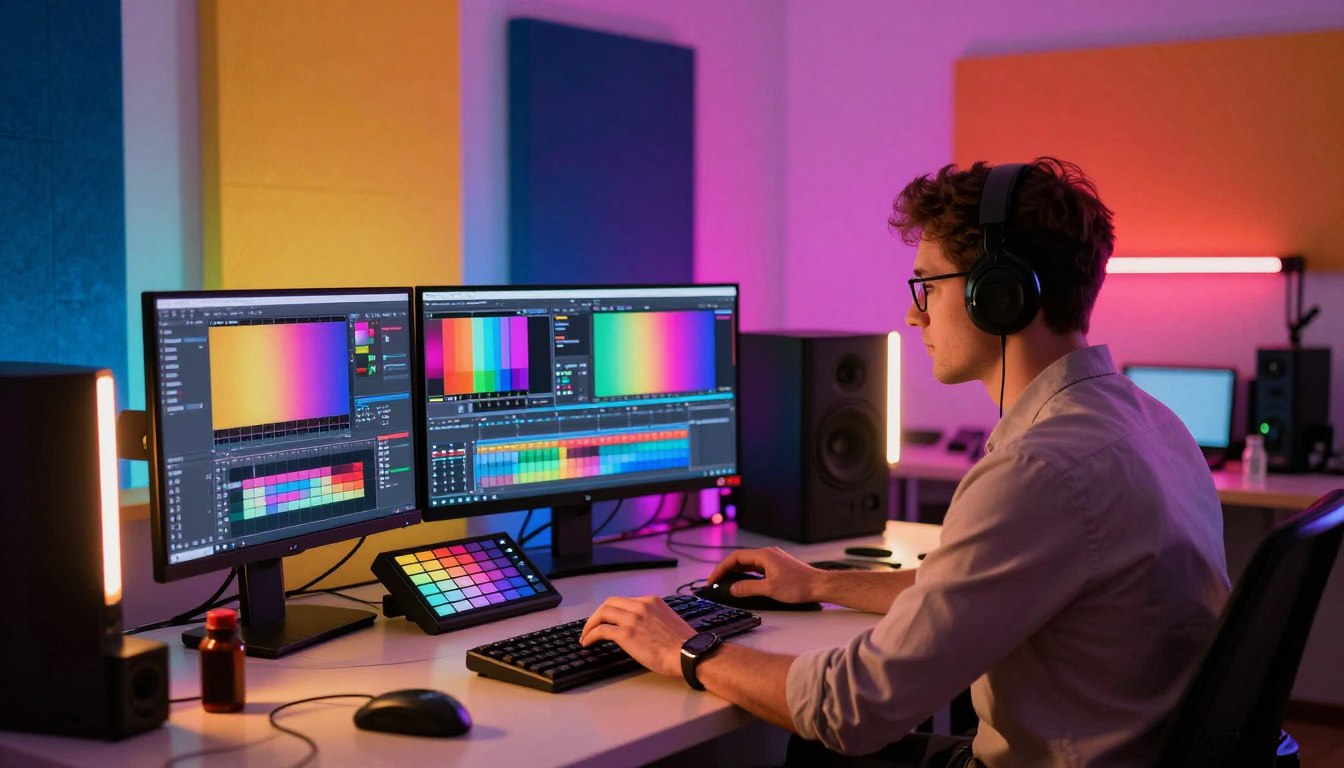
Ever wondered why some videos grab your attention while others don’t? The answer often lies in the visuals. Mastering professional aesthetics is key, not just for big studios but for anyone making digital content.
Choosing between neon’s energy and noir’s depth shapes your brand. A ai porn pmv color grading workflow turns raw footage into a masterpiece. This makes your work stand out in a digital world where quality is everything.
This guide is your roadmap to these two visual worlds. By mastering these techniques, you can create videos that evoke emotions and keep viewers hooked from start to finish.
Key Takeaways
- Understand the psychological impact of high-energy neon versus moody noir visuals.
- Learn how to establish a consistent professional workflow for your video projects.
- Discover how to elevate your content quality to compete in modern digital markets.
- Master the art of visual storytelling through intentional light and shadow adjustments.
- Gain practical insights into applying advanced techniques to enhance viewer retention.
Understanding the Fundamentals of AI Porn PMV Color Grading
Color tells the story without words. Mastering ai porn pmv color grading lets you control the mood of each scene. It’s not just about making things look good. It’s about creating a story that connects with your audience.
The Role of Color in Narrative PMV Creation
Every color and shadow has a purpose in your story. By changing color, you can focus on certain actions or create intimacy. This makes your project feel like one piece of art, not just clips.
“Color is a power which directly influences the soul.”
Good pmv color grading makes the emotional parts of your music stand out. When visuals match the music’s mood, it hits the viewer harder. This is what makes a great edit.
Essential Software Tools for Professional Look Dev
To get top-notch results, you need the right tools. DaVinci Resolve is top for look dev because of its color science and workflow. These tools help you fine-tune skin tones and handle complex lights.
Learning your software well is key for look dev. Whether it’s Adobe Premiere Pro or grading suites, knowing your tools keeps your workflow smooth. A solid technical setup saves time and keeps your projects looking consistent.
Preparing Your AI-Generated Footage for Grading
Your AI-generated clips need a solid technical base to stand up to grading. A clean start lets you add styles without color or artifact issues.
Preparing your source material well is key. It keeps your final work top-notch. This step is the most important for quality in your projects.
Managing Bit Depth and Color Space
Bit depth shows how much color your footage can hold. Using higher bit depths stops banding. This is when ugly lines show up in smooth areas or dark shadows.
Keep your files in a wide color space early on. This keeps the maximum dynamic range. It gives you room to push colors to their limits.
Correcting Exposure and White Balance Before Styling
Before adding creative looks, you must fix your footage. Correcting exposure balances your highlights and shadows.
Adjusting white balance is also key. It removes color casts from AI generation. A neutral foundation makes your stylistic choices look good across all clips.
Mastering the Neon Heat Aesthetic
You can make your projects stand out by using the Neon Heat aesthetic. This style is all about bright colors and sharp contrasts. It makes your visuals feel futuristic and impactful. With the right preset recipes, you can turn ordinary footage into something amazing.
Defining the Neon Heat Color Palette
The Neon Heat aesthetic is built on a mix of colors. Focus on deep cyans, electric blues, and bright magentas. These colors create a high-energy feel. Pair them with dark shadows to make the brights pop even more.
“Color is a power which directly influences the soul.”
Adjusting Saturation and Vibrance for High-Energy Looks
To make your colors really shine, know the difference between saturation and vibrance. Saturation makes all colors more intense, while vibrance boosts muted tones. Smart adjustments here keep skin tones natural and the background bold.
For a polished look, use preset recipes that tweak color channels. Here’s how to fine-tune your workflow:
- Boost vibrance by 15-20% to brighten mid-tones.
- Apply a slight S-curve to the luminance channel for depth.
- Move your hue to cooler tones in shadows for grounding.
Utilizing Glow Effects and Bloom Filters
Glow effects and bloom filters are key for capturing intense light. They soften bright highlights, adding a dreamy, ethereal quality. Use these effects carefully to keep your image sharp where it counts.
Layering these filters over your main grade adds depth and realism. It mimics the way light behaves in dark, high-contrast scenes. Regular use of these filters keeps your final look cohesive and professional.
Executing the Velvet Noir Style
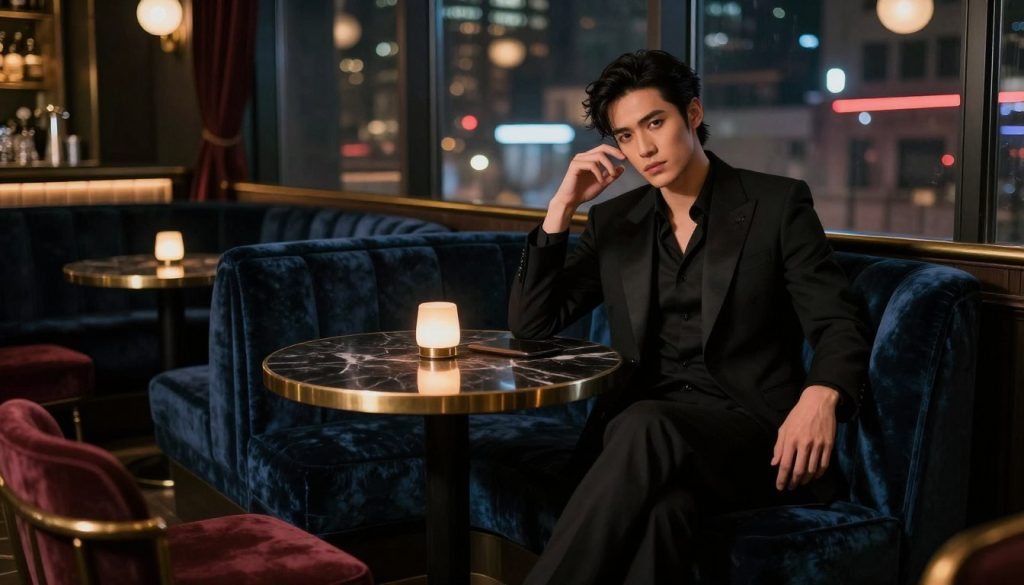
The Velvet Noir style is all about using shadows and mood to tell stories. It uses controlled cinematic contrast to create a deep, dramatic feel. By playing with light and dark, you can turn regular videos into something special.
Achieving Deep Blacks and Cinematic Contrast
To get this look right, focus on your shadows. Use curve tools to make your blacks truly crushed but still detailed.
Then, lift the mid-tones a bit to add a soft, cinematic feel. This stops your image from looking flat. Always check your waveform scopes to keep your project looking clean and consistent.
Desaturation Techniques for Moody Atmospheres
Reducing colors is key to the Velvet Noir look. Try to lower the saturation but keep skin tones natural and human.
Use color correction tools to protect skin tones while desaturating the background. This creates a focused, moody atmosphere that highlights the subject. By reducing colors, you let texture and lighting shine.
Adding Film Grain and Texture Overlays
Digital footage can feel too clean for a dramatic look. Adding a film grain overlay gives it a tactile, organic feel like old film.
Try adding light leaks or dust overlays for more character. These add history and depth, making your video feel authentic and refined. Keep the opacity low so these textures enhance the image without overpowering it.
| Visual Element | Velvet Noir Setting | Impact on Footage |
|---|---|---|
| Shadow Levels | Crushed/Deep | Increases drama |
| Saturation | Low/Muted | Creates mood |
| Film Grain | Fine/Subtle | Adds organic texture |
| Contrast | High/Controlled | Enhances depth |
Advanced ai porn pmv color grading Techniques
High-end visual editing demands precision, especially with AI-generated media. You need to go beyond simple adjustments to fine-tune specific parts of your frame. This ensures your final product looks top-notch.
Using Secondary Color Correction for Skin Tones
Ai porn pmv color grading focuses a lot on skin tones. Global grades can sometimes make skin look unnatural. Secondary color correction lets you tweak these tones precisely.
With this method, you can brighten or darken skin without changing the background. It keeps your subjects in focus while the setting gets a unique look.
Implementing Masking and Tracking for Selective Grading
AI footage moves a lot, needing more than just static color changes. Masking and tracking let you change colors on moving objects. You can:
- Make certain subjects stand out with subtle light.
- Dim background elements to focus attention.
- Enhance textures and details with contrast.
Modern tools make this easy by tracking your subject’s movement. It saves time and gives your video a polished, cinematic feel.
Applying LUTs and Preset Recipes for Consistency
Keeping a consistent look in a long project is hard. Preset recipes help by setting a standard look for all clips. They ensure your color scheme stays the same throughout.
While tweaking settings for each shot is key, presets offer a solid base. This lets you focus on storytelling, making your final product more polished and unified.
Workflow Optimization for Faster Look Development
Being efficient in post-production lets you focus on creativity, not just tweaking. Managing big projects means a lot of time on technical stuff. By improving your look dev process, you keep your creative energy for storytelling and visuals.
Creating Custom Presets in DaVinci Resolve
DaVinci Resolve has tools to save your favorite color grades easily. You can make preset recipes for specific looks. Save a look for a scene, and it’s ready for future projects.
This way, your style stays the same in every project. Instead of starting over, just drag and drop your presets. This saves a lot of time and keeps quality high.
Batch Processing Clips for Uniform Visual Styles
Batch processing is key for a unified look in lots of footage. Use adjustment layers or group grading to apply settings to many clips at once. It’s great for keeping the look consistent in scenes with the same lighting.
Using preset recipes in batch processing speeds up changes. If you want to adjust a glow effect, it changes in all clips at once. Here’s how moving to presets can help.
| Feature | Manual Grading | Automated Workflow |
|---|---|---|
| Time per Clip | High | Low |
| Consistency | Variable | High |
| Scalability | Limited | Excellent |
| Ease of Updates | Difficult | Instant |
Balancing Contrast and Luminance in High-Contrast Scenes
High-contrast scenes need careful handling to keep your story clear. Extreme lighting makes it hard to keep details sharp. You must avoid losing texture in both bright and dark areas.
Without the right touch, your final product might look dull or too harsh. Professional color grading uses data, not just what looks good. The right tools help you achieve a balanced look for your whole project.
Working with Waveform Scopes for Precision
The waveform scope is crucial for checking brightness levels. It shows the image’s brightness from left to right. Precision is key to avoid unwanted issues in your final version.
To use it well, keep your main subject in the 0 to 100 IRE range. If your signal hits the top or bottom, you’re losing important details. Here’s how to stay in control:
- Check the waveform often during your first grading pass.
- Adjust lift and gain to keep the signal in the 0-100 range.
- Use the scope to spot crushed or blown-out areas.
Managing Highlights and Shadows in AI-Generated Content
AI footage can have extreme contrast, making it hard to grade. You must carefully adjust highlights and shadows to show hidden details.
Protect the mid-tones to keep the image realistic. Avoiding too much contrast prevents digital noise or banding in dark areas. Consistent luminance management makes AI content look polished and cinematic.
Remember, small changes often work better than big ones. Softening the transition between highlights and shadows improves the look. This careful approach is key to a clean image, no matter the lighting.
Color Grading for Specific Moods and Pacing
Your visual storytelling depends on matching color shifts with your music’s rhythm. When you align your visuals with the audio, you create a cohesive viewer experience. This experience feels intentional and polished. Proper pmv color grading ensures your footage’s intensity matches the soundtrack’s energy.
Matching Color Shifts to Music Tempo
To achieve a professional result, analyze your audio for key changes. Look for moments when the beat drops or the melody shifts. These are great times to introduce a new color grade.
Use keyframes in your software to gradually change saturation or contrast. This builds anticipation before a major musical transition.
Consistency is key in fast-paced edits. Subtle adjustments to luminance levels during high-tempo sections keep viewers engaged. Precision timing makes your edits feel like a natural part of the music.
Transitioning Between Neon Heat and Velvet Noir
Moving between Neon Heat and Velvet Noir changes your project’s mood. Use a gradual cross-dissolve between two adjustment layers. This shifts from a high-energy, vibrant look to a moody, desaturated atmosphere.
This technique works well when music transitions from chaotic to slower, more intimate. Mastering these transitions lets you control your video’s emotional arc. Using secondary color correction during these shifts keeps skin tones consistent. These advanced pmv color grading strategies make your final product more immersive and professional.
Troubleshooting Common Color Grading Artifacts
Even the best projects can have unexpected visual problems at the end. Working with AI footage can bring technical issues that harm your visual style. Finding these problems early helps keep your work at a professional standard.
Fixing Banding and Compression Issues
Banding shows up in gradients or dark spots if the file doesn’t have enough bit depth. You can soften these transitions by adding a small noise reduction filter or a light grain overlay. This method breaks up the hard lines caused by too much color compression.
Compression artifacts often show up in low-bitrate files, looking like blocky patterns in shadows. To fix this, apply a slight blur to the chroma channels but keep the luma channel sharp. This targeted approach keeps important details while smoothing out digital noise.
Correcting Color Shifts in AI Upscaled Footage
AI upscaling tools can introduce color casts or shifts that don’t match your vision. First, check your white balance settings to keep neutral tones accurate. If the problem stays, use secondary color correction to fix specific distorted hues.
Consistency is key when working with different upscaling clips. Create a custom adjustment layer for a uniform correction across your timeline. This way, your final export will be clean, cohesive, and free of visual errors.
Hardware Considerations for Smooth Playback
Getting professional results is not just about creativity. It also needs a strong technical setup. Your hardware is key to every choice you make while grading. The right tools boost your work’s quality and speed.
Optimizing GPU Performance for Real-Time Grading
The graphics processing unit (GPU) powers your color grading software. For smooth playback, keep your GPU drivers up to date. This is crucial for avoiding stutters in complex workflows.
Also, watch your VRAM use with high-res footage. If your project uses too much memory, it won’t play smoothly. Closing unused apps can help keep things running smoothly.
Choosing the Right Monitor for Accurate Color Representation
A top-notch display is vital for making solid visual choices. You need a monitor that shows colors accurately and covers a wide range, like DCI-P3 or Adobe RGB. Without a calibrated screen, your work might look off on other devices.
Look for monitors with high contrast and even brightness. Using a calibration device keeps your monitor true to color standards. A regular office monitor can cause unintended color shifts that mess up your project’s mood.
| Component | Recommended Spec | Impact on Workflow |
|---|---|---|
| GPU | 8GB+ VRAM | Enables real-time playback |
| Monitor | IPS Panel (10-bit) | Ensures color precision |
| RAM | 32GB Minimum | Prevents system bottlenecks |
| Storage | NVMe SSD | Speeds up file access |
Best Practices for Exporting Your Final PMV
The final stage of your creative journey is getting your project ready for the world. After hours of pmv color grading, you want your style to look perfect on every device. A bad export can ruin all the fine details you worked on.
Selecting Codecs for Optimal Quality
Choosing the right codec is key for quality and size. For most online platforms, H.264 is the top choice because it works well everywhere. But for 4K, H.265 (HEVC) is better because it saves space without losing detail.
For the best look, aim for a high bitrate. Too low and your dark areas will look blocky. Use a constant bitrate (CBR) or a high-quality variable bitrate (VBR) to keep quality steady.
Maintaining Color Integrity Across Different Platforms
Web sites use their own ways to compress videos, which can change your colors. Export in Rec.709 color space to avoid color shifts. This keeps your blacks dark and your highlights bright.
Also, think about how browsers see colors. Add the right metadata to your export to make sure your pmv color grading looks right. Here’s a table with settings for common places to share your video.
| Platform | Recommended Codec | Target Bitrate | Color Space |
|---|---|---|---|
| YouTube | H.264 | 20-40 Mbps | Rec.709 |
| Private Hosting | H.265 | 15-30 Mbps | Rec.709 |
| Mobile Apps | H.264 | 10-15 Mbps | Rec.709 |
Stick to these standards to keep your video looking professional. By controlling how you export, you keep your pmv color grading perfect and give your viewers a great experience.
Conclusion
Learning to color grade turns raw AI footage into stunning digital experiences. You now know how to use Neon Heat and Velvet Noir in your projects.
Improving your look dev takes time and attention to detail. Every tweak in DaVinci Resolve or Adobe Premiere Pro adds to your style.
Keep practicing to get better. Trying out these grading recipes will help you connect with your audience in new ways.
Your look dev journey is always evolving. Use these techniques in your next project to see the difference in your work.
Share your work with others for feedback and inspiration. Your vision is shaping the future of digital media.
FAQ
What exactly is the goal of professional ai porn pmv color grading?
The main goal is to make your adult music videos look better. We use special color grading to make the footage look like a movie. This makes your videos more engaging and in sync with the mood and pace of the music.
How can I use preset recipes to speed up my editing workflow?
Preset recipes help you save time by applying a look to multiple clips at once. You can use them in DaVinci Resolve or Adobe Premiere Pro. This way, you can keep your videos looking consistent without having to adjust each clip manually.
Which software is recommended for advanced PMV look dev?
DaVinci Resolve is top-notch for advanced look dev because of its powerful tools. Adobe Premiere Pro is great if you like working with layers and want to integrate with After Effects for motion graphics.
Why is managing bit depth and color space crucial before I start grading?
Using the right color space and bit depth prevents your footage from looking bad. Without these settings, heavy color grading can cause problems like pixelation or color issues in shadows.
How do I achieve the signature glow of the Neon Heat aesthetic?
For Neon Heat, boost the magentas and cyans and add glow effects. This gives your AI content a bright, futuristic look.
What is the secret to getting the deep blacks seen in Velvet Noir?
Velvet Noir needs careful work on waveform scopes to get deep blacks. Use desaturation and film grain to keep the mood dark and sophisticated.
How can I protect skin tones when applying heavy color styles?
Use secondary color correction and masking to keep skin tones natural. This way, you can apply your color styles to the background without affecting the characters.
What hardware do I need for smooth, real-time pmv color grading?
You need a modern NVIDIA GeForce RTX graphics card for smooth playback. Also, a color-accurate monitor is key to ensure your colors look right on other screens.
How do I fix banding and compression issues in AI upscaled footage?
Add digital noise or use DaVinci Resolve’s “Deband” OpenFX to fix banding. This helps smooth out color transitions that upscaling can make too sharp.
Can I synchronize color shifts to the tempo of my music?
Yes, you can. Keyframe your color grading to match the music’s beat. This makes your visuals react to the music, keeping viewers engaged.
Which export settings ensure my color integrity remains intact on platforms like Twitter or PH?
Use H.264 or H.265 (HEVC) codec with “Main 10” profile for color integrity. Check your gamma tags in DaVinci Resolve to avoid a washed-out look after uploading.
What are the benefits of batch processing AI clips?
Batch processing saves time by applying a preset to many clips at once. It’s perfect for pmv color grading, ensuring consistency across multiple scenes.