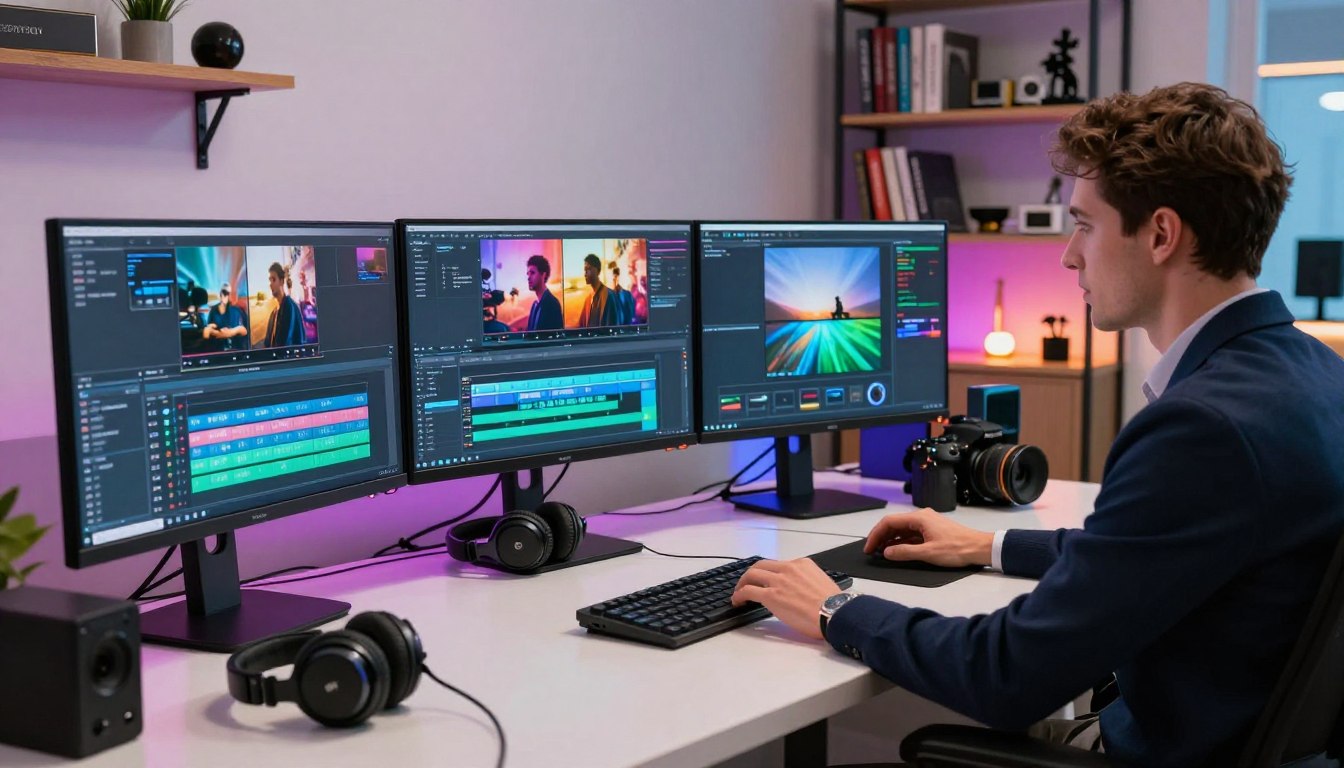
Ever thought about cutting down editing time to just a few minutes? The world of digital media is changing fast. Now, you can get high-quality results without spending hours.
Today’s software makes complex tasks easy. It uses advanced automation to help you create ai porn pmv instant creation quickly. This guide will show you how to make projects that took weeks finish in just ten minutes.
Learn how to make your work faster and better. Using these tools, you can focus on your creative ideas. Say goodbye to long editing hours and take back your time.
Key Takeaways
- Discover how to reduce editing time from weeks to minutes using modern automation.
- Learn the essential steps to maintain high creative standards during rapid production.
- Understand how to leverage new technology to streamline your entire workflow.
- Master the balance between speed and quality for your digital projects.
- Gain practical insights into optimizing your output for maximum efficiency.
Understanding the AI Porn PMV Instant Creation Workflow
Learning about automated production pipelines changes how you make digital content. It breaks down the process into easy steps. This way, you can go from a simple idea to a finished product quickly. This method is key to ai porn pmv instant creation, helping you keep quality high while working less.
The heart of AI content creation is using automated tools smoothly. First, you need a clear plan for your data. This includes collecting assets, processing, rendering, and putting it all together. When each step is fine-tuned, your projects move faster.
Using a set workflow brings many benefits. It lets you use standard settings and scripts for every project. This ensures your work looks professional. With AI content creation skills, you can focus on your creative ideas, not just the technical parts.
Learning these steps is crucial for making more content. Whether you’re working on one project or many, a good workflow is key. Using ai porn pmv instant creation helps you stay competitive and keep your content engaging.
Selecting the Right AI Tools for Rapid Production
The key to a smooth workflow is choosing the right AI tools. Speedy production starts with the right tech. The right AI model selection makes sure your tools work together fast.
Evaluating Video Generation Models
Today’s AI video generation tools offer different styles. BeatViz lets you try out various models to match your project’s look. It’s important to test them to find the best mix of quality and speed.
Here are some top models for your pipeline:
- Veo: Great for detailed, cinematic scenes.
- Luma: Perfect for smooth motion and transitions.
- Kling AI: Best for complex characters and textures.
Choosing Audio Synthesis and Beat Syncing Software
Visuals are just part of a great project. You need audio tools that match your visuals perfectly. Make sure your audio software works well with your video tools.
Good AI video generation needs perfect sync between audio and visuals. Choose software with automated beat detection. This saves time and keeps your creative freedom.
Preparing Your Assets for an Instant PMV
To get an instant pmv, you need to manage your files well and pick the right assets. When your digital space is tidy, you avoid the usual delays that slow you down. Getting ready right means your tools work harder, not harder to find files.
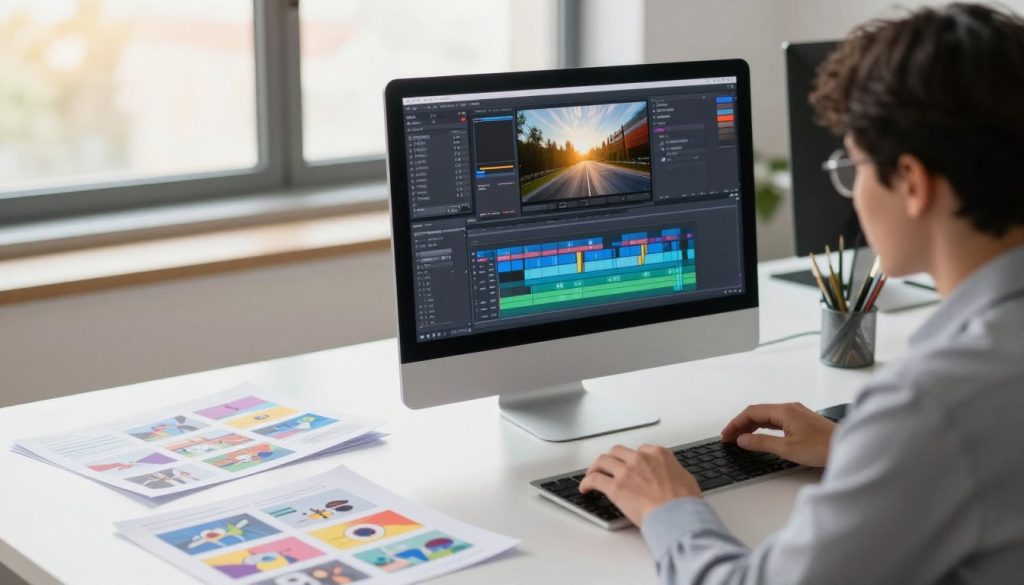
Sourcing High-Quality Source Material
The quality of your final work starts with the files you pick first. Look for high-res clips with clear visual contrast and steady lighting. This makes it easier for AI to get your vision right, saving you from extra work later.
Make sure your files match your AI software’s needs. Stick to formats like MP4 or MOV and keep frame rates consistent. High-quality assets are the base for a top-notch result that grabs attention.
Organizing Folders for Automated Processing
For automated processing to work smoothly, your folders need to be organized. Set up a main folder for each project with subfolders for raw files, audio, and final outputs. This setup lets your scripts find and work on files fast.
Using the same naming style for your files is also key. Descriptive, sequential names help your software process files in the right order. This keeps your workflow quick and efficient, ready for your next project.
Setting Up Your Auto Pipeline for Speed
Creating a solid auto pipeline is key to growing your video projects without getting tired. Moving to a local setup lets you control your hardware and render times better. This way, you avoid cloud queue limits and keep a steady flow of quality assets.
Configuring Local Stable Diffusion Environments
For the best results, install Stable Diffusion on your local machine. This ensures your GPU works only for your tasks, not others. Optimizing your environment means updating drivers and using enough VRAM for complex tasks.
Local setups speed up your work on visual assets. You won’t face delays from uploading and downloading big files. This local-first approach is crucial for fast content creation.
Integrating Batch Processing Scripts
After setting up your environment, use batch processing for many assets at once. You can write scripts to queue and process prompts automatically. This cuts down the time waiting for each render.
Also, use external tools to manage your workflow. Like how Transcribe app works with Zapier, you can link your video software to other platforms. This makes your workflow smooth from idea to final product.
| Automation Method | Primary Benefit | Complexity Level |
|---|---|---|
| Local Scripting | Maximum Speed | High |
| Zapier Integration | Workflow Sync | Medium |
| Batch Processing | High Volume | Low |
Using these methods will boost your production speed. By focusing on automated sequences, you can spend more time on creative ideas, not just technical tasks.
Mastering Fast Render Techniques
Rendering is the last step in your production pipeline. It doesn’t have to slow you down. By using hardware optimization, your system can work efficiently during export. A fast render comes from smart use of your computer’s parts.
Optimizing Resolution and Frame Rate Settings
Before exporting, think about your resolution and frame rate needs. You don’t need 4K for short clips on mobile. Cutting down to 1080p can halve your render time without losing quality.
Also, tweaking your frame rate can make rendering faster. While 60 frames per second is smooth, 30 frames per second works well for web content. Lowering these settings reduces your system’s workload.
Utilizing Hardware Acceleration for Faster Output
Modern video software uses your graphics card a lot. Turning on GPU acceleration cuts down export time a lot. Make sure your software uses your graphics card for encoding.
Good hardware optimization means updated drivers and a cool system. A GPU working at its best means faster exports. This lets you work on your projects quicker than before.
| Setting Category | Performance Mode | Quality Mode | Balanced Mode |
|---|---|---|---|
| Resolution | 720p | 4K | 1080p |
| Frame Rate | 24 fps | 60 fps | 30 fps |
| GPU Acceleration | Enabled (Max) | Disabled | Enabled (Auto) |
| Render Speed | Very Fast | Slow | Moderate |
Automating the Beat Synchronization Process
Professional videos need sound and sight to work together perfectly. When visuals match the music’s rhythm, it looks intentional and polished. Doing this manually is hard and often wrong.
Modern tech makes editing easier. It lets you focus on creativity while the software handles timing.
Using AI Tools for Audio Analysis
Great edits start with audio analysis. Special software can find music details that we might miss. It looks at peaks, drops, and rhythmic changes.
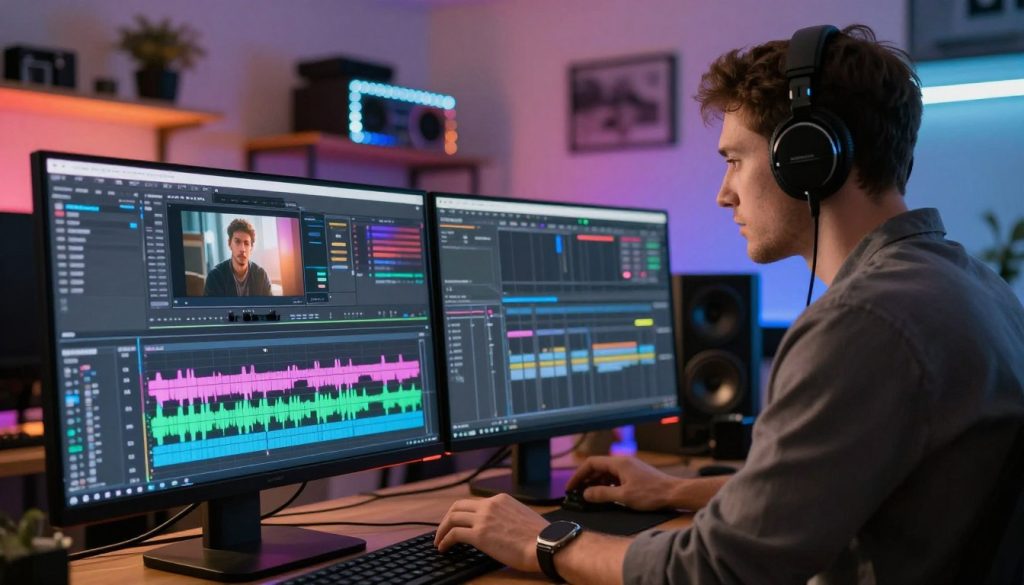
Tools like BeatViz change the game. They sync beats with millisecond accuracy. This keeps your project flowing smoothly, without manual adjustments.
Aligning Visual Transitions with Musical Cues
After analyzing audio, link your visuals to these markers. Set your pipeline to start a new clip or effect at key musical moments.
This automated alignment makes videos engaging. It ensures every cut fits the song perfectly. Using audio analysis tools makes your video professional and well-timed.
Refining Your Workflow for Consistent Results
Being consistent is key for a top creator. It begins with how you use your tools. By improving your workflow optimization, you can keep every project looking professional without manual tweaks each time.
A smooth process lets you dive into the creative side of your work. When your systems are set, your work becomes more reliable and quick.
Creating Reusable Templates and Presets
Smart template creation is the best way to save time. By saving your go-to settings for resolution, frame rates, and AI model parameters, you skip the setup hassle for every new project.
Build a library of presets for various styles or project needs. This modular approach lets you quickly apply your settings to any new auto pipeline, cutting down setup time.
- Save your favorite prompt structures as text files.
- Create project folders with pre-configured subdirectories.
- Export your software settings as reusable configuration files.
Troubleshooting Common Bottlenecks in the Pipeline
Even the best systems hit snags that slow you down. Spotting these issues early is key to workflow optimization. If render times are up, check if your GPU is being used fully.
Software conflicts or old drivers can cause delays in an auto pipeline. Keep your software up to date and clear cache files to avoid these slowdowns.
If template creation isn’t speeding up your work, check your batch scripts for errors. Small tweaks to your script can make a big difference, keeping your work flowing smoothly.
Advanced Tips for Achieving an Instant PMV
To get a instant PMV, you might need more power than one computer can handle. When your local machine can’t keep up, it’s time to use professional tools. Remote resources can help you avoid slowdowns in video production.
Leveraging Cloud-Based GPU Services
Cloud-based GPU services are like fast, remote render farms. They let you do lots of video work without waiting hours. This way, your computer stays free for other tasks while the hard work is done elsewhere.
“Automation is not just about speed; it is about freeing your mind to focus on the creative vision rather than the technical constraints of the render queue.”
These services are great for creators who need to make lots of content fast. You can adjust how much power you use based on your project. This makes it a smart choice for growing your work.
| Feature | Local Rendering | Cloud-Based Rendering |
|---|---|---|
| Hardware Cost | High Initial Investment | Pay-as-you-go |
| Scalability | Limited by Hardware | Virtually Unlimited |
| Maintenance | Manual Updates Required | Managed by Provider |
| Latency | Zero Network Delay | Dependent on Connection |
Scripting Multi-Step Automation Sequences
Mastering your workflow means using scripts for complex tasks. These scripts can rename files, adjust colors, and set export settings. This way, you avoid mistakes and keep your projects looking the same.
Good automation helps you make lots of content without wearing out your computer. You can set up your system to start these sequences automatically. This is key for making an instant PMV without losing quality or consistency.
Maintaining Quality While Prioritizing Speed
You don’t have to choose between speed and quality. Many creators face the challenge of balancing quick production with high visual standards. By setting up a smart workflow, you can make sure your work looks great without waiting too long.
Balancing AI Upscaling with Render Time
AI upscaling is a big help, but it can slow you down. To stay efficient, don’t upscale every frame at first. Use lower settings for quick previews to check timing and flow.
After you’re happy with the sequence, upscale only for the final export. This selective approach saves time and keeps your work sharp. Use lighter models for middle steps to balance speed and detail.
Post-Processing Shortcuts for Professional Polish
You don’t need to spend hours editing to get a cinematic look. Quick templates and filters can add polish in seconds. These tricks help keep your project looking consistent.
Try these quick techniques for your final touches:
- Color Grading Presets: Use a saved LUT to quickly match your clips’ colors.
- Motion Blur Plugins: Add subtle blur to smooth out transitions between frames.
- Sharpening Filters: Apply a light sharpening to bring back lost details.
Focus on these areas to keep your high-quality output consistent and engaging. Learning these fast render tricks lets you produce more without sacrificing quality.
Ethical Considerations and Best Practices
When you use advanced technology in your work, keeping high AI ethics is key. The fast pace of automated work should not harm your reputation or legal status. This way, you create a lasting and ethical creative practice.
Respecting Content Guidelines and Platform Rules
Every platform has its own content guidelines to keep users safe and maintain a good community. Make sure you know these rules before you upload anything. Breaking these rules can get you banned, stopping your work.
Always verify that your work meets the safety policies of where you host it. If you’re not sure, it’s safer to be cautious. Following these rules keeps your work visible to your audience.
Managing Data Privacy in AI Workflows
Keeping personal info safe is a big part of AI ethics. Be careful with the data you put into your AI tools. Don’t share personal details or images that could risk your safety or others.
To keep up with content guidelines and privacy, follow these tips:
- Use local tools to keep your data safe and offline.
- Check the privacy policies of any AI software you use.
- Clear out temporary files and cache to protect your assets.
By being proactive, you keep your work safe and ethical. Responsible data management protects you and builds trust online.
Conclusion
You now have the tools to make your creative work faster and better. Making a top-notch PMV in under ten minutes is all about combining tech skills with creativity. Using tools like Stable Diffusion and batch scripts helps you make lots of professional content quickly.
Doing well in this area means finding a balance between speed and keeping your creative touch. Always think about ethics and rules as you explore AI in video making. Getting better takes practice with the right tools and software.
Use these tips in your work right now. Your ability to create interesting visuals will improve as you try new things. Start making your own presets and see how fast you can make things.
FAQ
How can I realistically create an instant pmv in under 10 minutes?
To make an instant pmv, you need a complete auto pipeline. Use ComfyUI or Automatic1111 with batch scripts to automate your video. Make sure your templates are ready so the AI can just do the work.
What is the best way to ensure a fast render without crashing my system?
For quick rendering, use NVIDIA TensorRT for hardware acceleration. It boosts Stable Diffusion on GeForce RTX cards. Also, start with a lower resolution and then upscale with Real-ESRGAN to save time.
Can an auto pipeline handle complex beat synchronization?
Yes, an auto pipeline can handle complex beats. Use Librosa or Blender add-ons to analyze audio. This lets the AI sync visuals perfectly with the music, making your pmv look professionally made.
Which video generation models offer the best balance of speed and quality?
AnimateDiff and Stable Video Diffusion (SVD) are top choices for speed. Pair them with LCM LoRAs for even faster, high-quality frames. They’re perfect for quick production.
What should I do if my local GPU isn’t powerful enough for rapid generation?
If your GPU is slow, try cloud services like RunPod or Lambda Labs. They offer high-end NVIDIA A100 GPUs on-demand. This way, you can make instant pmvs without expensive local hardware.
How do I manage data privacy when using AI tools for PMV creation?
For privacy, run your workflow locally with Stable Diffusion. This keeps your work offline. Always check privacy policies if using cloud services.
Are there any shortcuts for adding a professional polish to a fast-rendered video?
Use post-processing templates in Adobe Premiere Pro or DaVinci Resolve. Create presets for color and motion blur. This way, you can quickly add a professional look to your video.