
Ever wondered why some videos seem perfectly in sync while others don’t? The secret to professional timing can turn a simple edit into a work of art.
In the PMV Lab, you can improve your workflow with a special beat grid. These tools help you match your video cuts with the audio’s rhythm precisely.
Using these markers ensures every frame is perfectly timed. This foundational approach boosts your project’s quality. It’s key, whether you’re using ai or traditional methods.
This guide will show you how to use the pmv environment well. You’ll learn to manage your timeline like a pro. This way, your creative vision will come to life with perfect timing.
Key Takeaways
- Master the use of timing markers to improve video flow.
- Learn how to align visual cuts with audio rhythms.
- Enhance the professional quality of your editing projects.
- Discover efficient ways to manage your workspace.
- Gain confidence in using advanced synchronization tools.
Understanding the Fundamentals of PMV Lab Synchronization
Getting audio and visuals to perfectly align is key. Effective synchronization is crucial for any top-notch project. By learning these basics, you make sure every visual matches the audio perfectly, giving your viewers a smooth experience.
Just like Vastian’s system keeps all lab standards in sync, your project needs a unified data management approach. This centralized logic helps the software keep everything consistent, even with complex timelines. When your data is well-organized, ai synchronization works better and faster.
Discover how the software uses audio transients to set up your edits. These transients are like markers for the system to get the timing right. With ai synchronization, you can easily match your visuals to the audio beat.
Building this technical base is vital for professional results. Once you know how the software works, you can control your creative process better. This unified approach makes sure your final product is polished, precise, and perfectly timed.
Setting Up Your Project for AI Porn PMV Beat Grid Integration
Getting your project set up right from the start is key. It’s like using the Clinical Chemistry Case Study Simulator to learn. A well-organized workspace helps you tackle editing tasks with ease. This setup is crucial for your ai porn pmv beat grid to work perfectly.
Setting up your software correctly means it will recognize your audio right away. This step avoids common problems and lets you edit smoothly. With everything set up right, you can focus more on your creativity.
“Success is where preparation and opportunity meet.”
Before diving into editing, check your project settings. Here’s a table showing the difference between a basic and an optimized setup for your ai porn pmv beat grid.
| Setting Category | Standard Configuration | Optimized Configuration |
|---|---|---|
| Sample Rate | 44.1 kHz | 48 kHz (High Fidelity) |
| Grid Resolution | Quarter Notes | 1/16th Notes (Precision) |
| Sync Mode | Manual | Automatic Beat Detection |
| Project Buffer | Default | Low Latency Mode |
Using these optimized settings makes your workspace stable. Taking time to check your setup will greatly benefit you. A well-prepared project shows you’re serious about quality and efficiency.
Importing Audio and Visual Assets into the Workspace
Starting a professional project means organizing your audio and visual files well. When you import them right, you lay a solid foundation for a smooth timeline. This step avoids technical problems and keeps your work flowing smoothly.
Make sure your media files fit the PMV Lab’s needs. Check your file formats before importing to ensure seamless compatibility in your project. This quick check saves a lot of time later on.
Keeping your media library organized is key. A tidy workspace means faster access to your clips. This is crucial as your project gets more complex. Group your assets by scene, type, or date to keep things logical and support your vision.
The table below shows the best file formats for top performance in your workspace:
| File Category | Recommended Format | Primary Use Case |
|---|---|---|
| High-Fidelity Audio | WAV / AIFF | Precise beat grid alignment |
| Compressed Audio | MP3 / AAC | Drafting and quick previews |
| Visual Assets | MP4 / MOV | Standard editing and rendering |
| Project Metadata | JSON / XML | Saving custom marker data |
Sticking to these standards prevents common problems like latency or playback errors. Proper file organization lets you focus on the artistic side of your project. Good file management is a sign of an efficient and professional editor.
Mastering the Beat Grid Interface
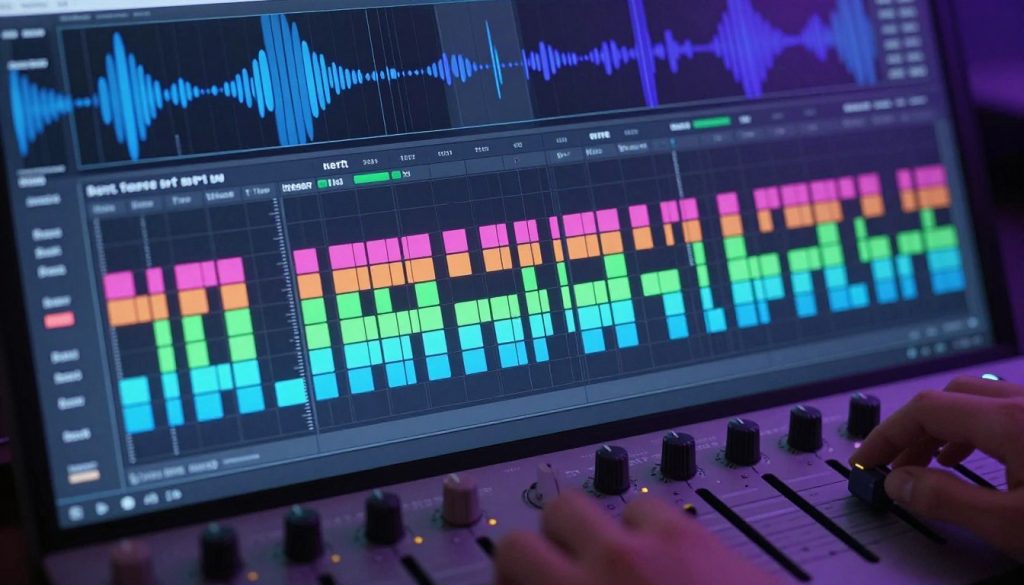
The beat grid interface is key for timing and syncing. It shows your audio visually, making it easy to plan every detail. This makes controlling your project’s rhythm much simpler.
Adjusting Global Tempo and Time Signatures
First, set the project’s tempo. Go to the settings panel to enter the correct BPM. This keeps the beat grid steady.
For complex rhythms, adjust the time signature. This lets the software mark downbeats, helping your editing flow smoothly. Always check these settings against your audio to avoid errors.
Aligning the Grid to Audio Transients
Even with the right tempo, you might need to adjust the beat grid manually. Look for the highest points in your waveform, like drum hits or bass kicks.
Drag the grid lines to these peaks. This meticulous process ensures your cuts match the track’s energy. When the grid is aligned with transients, your mix will sound tight and polished.
| Time Signature | Rhythmic Feel | Best Use Case |
|---|---|---|
| 4/4 | Standard/Steady | Most pop and electronic tracks |
| 3/4 | Waltz/Flowing | Slow-paced or dramatic scenes |
| 6/8 | Triplet/Swinging | Dynamic, high-energy transitions |
Placing Markers for Precise Scene Transitions
Learning to use markers well can change how you handle scene transitions. These tools are like important signs that show you exactly when to change the visuals or add an effect. By using them in your PMV Lab work, you make sure every cut fits perfectly with the music.
Using Hotkeys for Real-Time Marker Placement
Being efficient is key for any pro editor. Instead of clicking through your timeline manually, use hotkeys to place markers as the audio plays. This way, you can feel the music and react naturally to its rhythm.
Most people find that using a single key for the “Add Marker” function saves a lot of time. Just press your chosen key when you hear a transition, and you’ll create a rhythmic map of your project without stopping the audio.
Managing Marker Colors and Categories
After placing your markers, it’s important to keep them organized. You can use different marker colors for different types of visual events, like hard cuts or special effects. This makes it easier to work on long projects.
Also, categorizing your markers helps with managing complex audio files. By grouping similar transitions, you can quickly find areas that need more work. Here’s a table showing how to categorize your markers for better efficiency.
| Marker Category | Color Code | Primary Use |
|---|---|---|
| Hard Cut | Red | Immediate visual transition |
| Fade Effect | Yellow | Smooth transition over time |
| Audio Peak | Blue | High-impact visual sync |
| Section Start | Green | Defining new project segments |
Advanced Techniques for AI Synchronization
Advanced workflows let you explore new heights in your projects with AI tools. These tools, like large language models, change how we work in labs. They now change video editing too. Learning ai synchronization keeps your work top-notch and consistent.
Automating Visual Cuts Based on Grid Data
Editing time drops when the software does the work for you. An ai porn pmv beat grid helps by linking audio to visuals. This lets you focus on the story, not just the frames.
Using these tools brings big benefits to your work:
- Increased precision in matching visuals to audio.
- Faster turnaround times for big projects.
- Consistent pacing in complex edits.
Refining AI-Generated Transitions
Even with automation, your personal touch is key for quality. Treat AI outputs as a starting point that needs careful refinement. Adjusting your ai porn pmv beat grid lets you control the feel and rhythm.
When checking the cuts, look for timing issues or where visuals lack punch. You can tweak specific parts to make it feel right. Finding the right mix of AI and your vision is crucial for perfect ai synchronization.
Utilizing the Tempo Map for Complex Audio Tracks
Mastering the tempo map is key to keeping your visuals in sync with music. When music speeds up or slows down, a standard grid can lose its accuracy. This leads to visuals that don’t match the music.
A detailed tempo map is like the STimage-1K4M dataset. It has lots of data points for complex audio. This helps keep your visuals perfectly in sync.
“Rhythm is the heartbeat of any visual experience; if the pulse shifts, your editing must adapt to stay in sync.”
Handling Variable BPM in Dynamic Tracks
Dynamic tracks have tempo changes that add emotion. To handle these, adjust the grid to match the beats per minute. Place anchor points at every tempo shift to keep your tempo map accurate.
This needs patience and a good ear for music. Zoom into the waveform to find tempo changes. Lock your grid to these points for perfect alignment throughout the track.
Correcting Drift in Non-Linear Audio
Non-linear audio often drifts from the intended tempo. This is common in live recordings or tracks without a digital click. Create a flexible tempo map to follow the audio’s natural flow.
Identify the drift pattern and make small adjustments to the grid. Consistency is key for long projects. Regularly check your alignment against audio peaks to fix drift and keep your output professional.
Optimizing Workflow with Keyboard Shortcuts
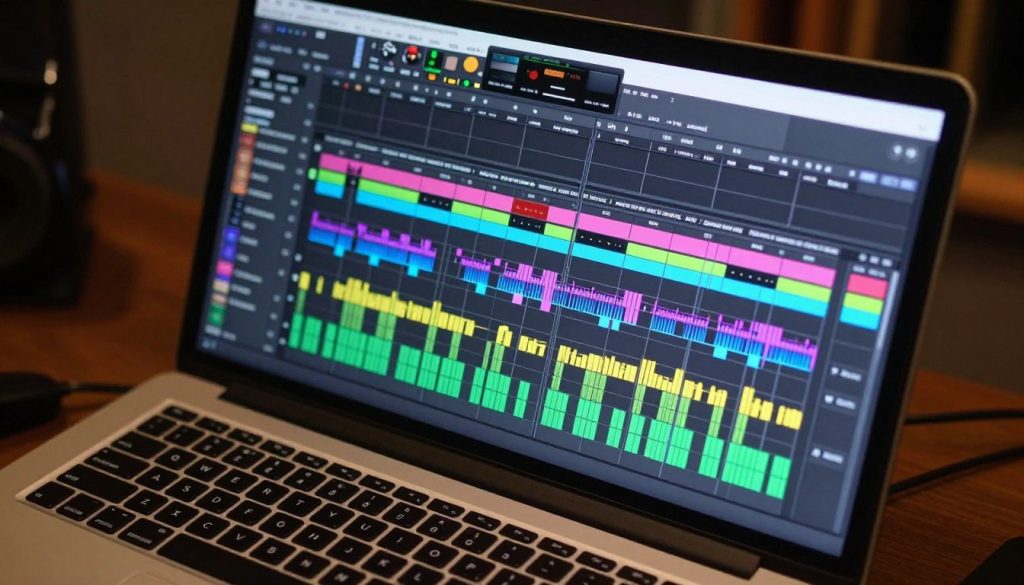
Customizing your control scheme helps you focus more on creativity. It means less time searching for buttons. This makes your editing process smooth and easy. Efficiency is key to high-quality work in any project.
Customizing Your Control Scheme
Map your most used functions to your keyboard to save time. By setting specific keys for your tempo map tools, you can adjust timing easily. This personal touch makes your interface work for you, not against you.
Reducing repetitive tasks boosts long-term productivity. Using custom shortcuts for your tempo map reduces mouse movement. This keeps you focused during detailed editing, where precision is crucial.
The table below shows how customizing your control scheme improves daily editing.
| Action Type | Default Method | Custom Shortcut | Efficiency Gain |
|---|---|---|---|
| Adjusting Tempo | Menu Navigation | Single Key Press | High |
| Marker Placement | Right-Click Menu | Hotkey Trigger | Very High |
| Grid Alignment | Manual Dragging | Snap-to-Beat Key | Medium |
| Project Navigation | Scroll Bar | Jump-to-Marker | High |
Troubleshooting Common Syncing Issues
Even experienced editors sometimes face technical problems. When audio and video don’t match up, it can be frustrating. But, by using a systematic approach to find the problem, you can fix it fast.
Just like Document Control keeps all files in one place, a clear workflow keeps things organized. This makes finding errors easier. Always check your source files first before making big changes.
Resolving Latency and Offset Problems
Latency shows up as a delay between audio and video. This annoying lag makes it hard to make precise cuts. Check your hardware buffer settings or update your audio driver cache to fix it.
If the problem doesn’t go away, look for constant offset errors. A fixed offset is easier to handle than variable latency. Consistency is key for high-quality sync in your edit.
Fixing Grid Misalignment Errors
When your cuts don’t match the beat, your beat grid is off. Zoom in to see if the waveform peaks match the grid lines. If they don’t, you might need to reset your project’s anchor point.
Adjusting the beat grid manually helps with tracks that don’t keep a steady tempo. By setting the grid to specific transients, your cuts will be tight and professional. See the table below for quick fixes to common sync problems.
| Issue Type | Primary Symptom | Recommended Fix |
|---|---|---|
| Audio Latency | Delayed playback | Adjust buffer size |
| Grid Drift | Misaligned beat grid | Re-align to transients |
| Constant Offset | Consistent delay | Apply global time shift |
| File Corruption | Missing assets | Verify file paths |
Exporting Your Project with Metadata Preservation
You’ve made it to the end of your project. Now, exporting your project with metadata preservation is crucial. This step keeps your work in top shape for different devices. It also ensures your visuals and sounds stay in sync.
When you’re ready to render your final file, pick a codec that keeps quality high. Metadata preservation lets your project keep creator info, title, and timing markers. This is key for sharing, as it helps platforms sort and show your content right.
To get the best results, go to your export menu. Make sure “Include Metadata” or “Preserve Tags” is on. Many editing tools have presets that do this for you. Always test a short segment to check if metadata stays after saving.
Here’s a table to help pick your final export format. It ensures your file works on many devices and software:
| Format | Metadata Support | Compatibility |
|---|---|---|
| MP4 (H.264) | High | Universal |
| MOV (ProRes) | Excellent | Professional |
| MKV | Very High | Advanced |
Make sure your resolution and frame rate match your original project. Consistency is key for a top-notch PMV. With these settings right, you’re set to share your project.
Best Practices for Professional PMV Editing
To get top results in PMV editing, you need more than just technical skills. You must have a strict workflow routine. Every project is a chance to improve and explore new creative limits. A steady routine keeps your work quality high, no matter the project’s size.
For success, tackle complex projects with a clear plan. Set up your file system before starting. Organization reduces stress and lets you dive into editing without distractions.
Quality control is key to professional standards. Always refine your work several times before finishing. This way, you catch small mistakes or visual issues that might slip by otherwise.
Top editors stand out by being efficient and precise. They focus on workflow optimization to save time on routine tasks. This lets them spend more time on creative decisions. Here’s a table showing habits that make professionals different from hobbyists.
| Feature | Amateur Approach | Professional Standard |
|---|---|---|
| File Organization | Random folder structure | Standardized naming conventions |
| Editing Pace | Rushed, single-pass edits | Iterative, multi-pass refinement |
| Quality Control | Minimal review | Rigorous technical audit |
| Workflow | Reactive and chaotic | Proactive and systematic |
Your dedication to quality control shapes your reputation. Always look for new editing methods and keep improving your style. By blending technical skill with creativity, your work will excel.
Conclusion
Learning about beat grids and markers is a big step in PMV editing. You now know how to match visuals with audio perfectly in the PMV Lab.
Using these advanced methods makes your content pop in a busy online world. Your hard work in mastering these skills will impress your viewers.
Keep trying out these tools to find your own style. Regular practice with the PMV Lab makes editing easier and more fun.
Show off your latest work to get feedback and ideas. Growing as an editor means always trying new things and improving your skills. Keep making top-notch edits to show off your talent.
FAQ
What is the primary role of a beat grid in the PMV Lab?
A beat grid is like the rhythmic backbone of your project. It works like Vastian’s system, syncing policies to meet standards. It helps align your visuals with the music, creating a seamless experience.
Why is initial workspace preparation vital for an ai porn pmv beat grid?
Setting up your workspace right is crucial. It’s like the Clinical Chemistry Case Study Simulator, linking classroom learning to real-world decisions. Proper setup ensures your software works smoothly, avoiding technical hitches.
How can I ensure my visual cuts are perfectly timed to the music?
Use ai synchronization to automate your cuts. AI tools can do repetitive tasks, freeing you to focus on making transitions look great. This way, you can refine your project to your liking.
What should I do if my audio track has a variable BPM?
For tracks with changing BPM, use a detailed tempo map. It’s like the STimage-1K4M dataset, providing detailed analysis. A tempo map helps keep your project in sync, even with changing speeds.
How do I resolve common grid misalignment and latency issues?
Systematic troubleshooting is essential for a smooth workflow. It’s like Document Control, keeping everything organized. By following a structured approach, you can fix latency and keep your beat grid in sync.
Can I use keyboard shortcuts to speed up the marking process?
Yes, using hotkeys can make marking scenes faster. Customizing your controls lets you place markers quickly. This makes building your tempo map more efficient and easy.
Why is it important to align the grid to audio transients manually?
While software can automate, manual alignment is key for precision. It’s the foundation for ai tools to work well. It gives them the timing data they need for accurate cuts.