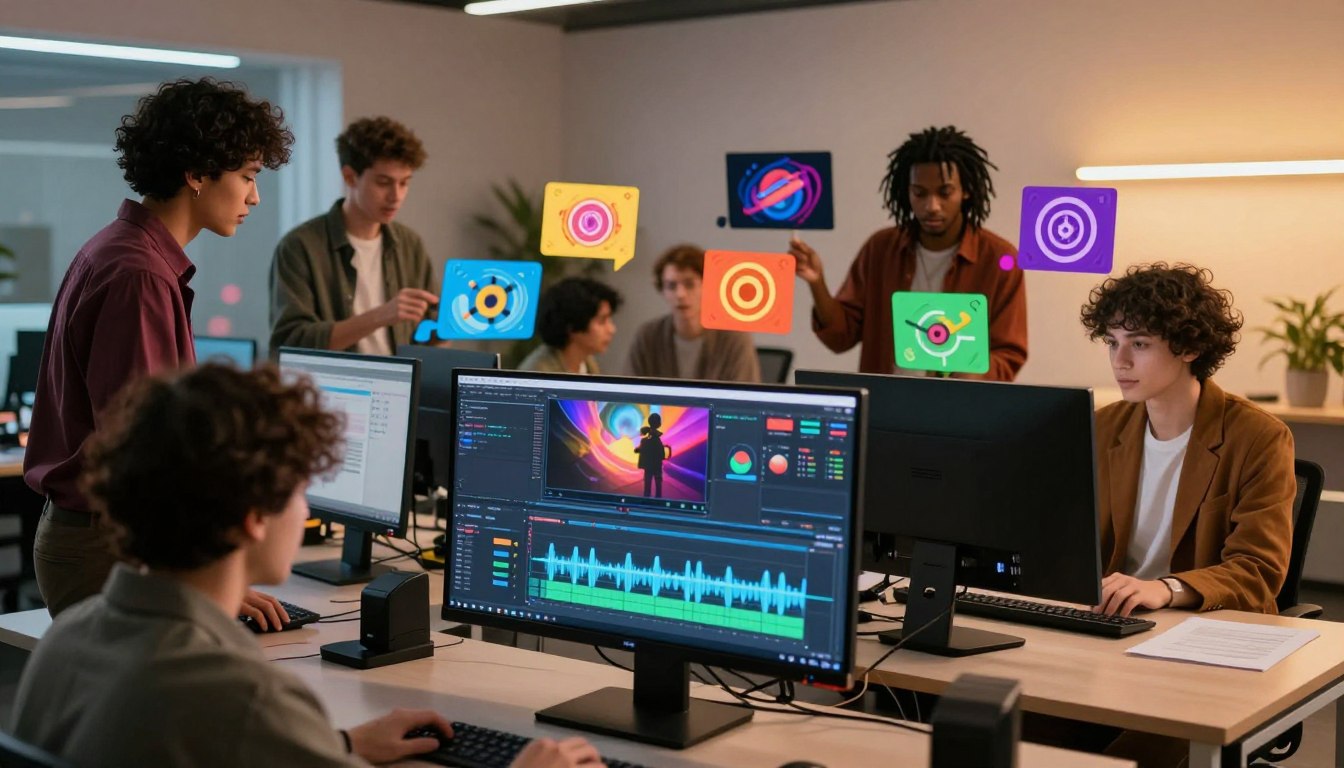
Ever noticed why some videos grab your attention right away? Others just blend in unnoticed. The secret often lies in the sophisticated techniques used in editing.
To stand out in today’s digital world, you need to up your game. Using ai porn pmv advanced effects helps you create stories that grab and hold your viewers’ interest.
Getting good at these pmv advanced effects unlocks your creative potential. By improving your editing skills, you turn ordinary clips into top-notch content. This guide will show you how to sharpen your skills and find your unique style.
Key Takeaways
- Learn how to elevate your video production to a professional level.
- Discover techniques to make your content stand out in a crowded market.
- Understand the importance of technical workflows in modern editing.
- Master visual storytelling to keep your audience fully engaged.
- Gain insights into the tools that define high-end digital creation.
Setting Up Your Professional Editing Environment
Professional video creators know that a smooth workflow starts with the right technical foundation. A high-end setup needs a balance between raw power and reliable software tools. By refining your workspace, you can avoid technical issues and focus on your creative vision.
Optimizing Hardware for AI-Driven Workflows
Modern video production uses AI-driven workflows for tasks like upscaling and frame interpolation. Your hardware must handle high-speed data processing. This ensures your timeline stays responsive and render times are reduced.
Here are key hardware upgrades for your workstation:
- High-VRAM GPU: A powerful graphics card is crucial for AI rendering and real-time playback.
- NVMe SSD Storage: Fast storage is needed for large 4K source files without stuttering.
- High-Capacity RAM: Aim for at least 32GB or 64GB to manage multiple layers and plugins.
Essential Software Suites for High-End PMV Production
Your software choices affect your project’s efficiency from start to finish. Specialized tools can automate tasks, like gathering source material. For example, 4kTokkit can bulk download high-quality clips from TikTok, saving time.
After gathering assets, a robust non-linear editor (NLE) is key. Industry-standard suites like Adobe Premiere Pro or DaVinci Resolve are stable for professional output. They support advanced scripting and plugin integration, crucial for a consistent look in your projects.
“The quality of your final output is directly proportional to the efficiency of your editing pipeline.”
By integrating these tools into a cohesive system, your technical setup won’t hold back your artistic goals. Always update your software to use the latest performance patches and AI-enhanced features.
Mastering AI Porn PMV Advanced Effects
You can turn regular footage into top-notch content with AI techniques. The term PMV is known in fields like medicine and business. But in the creative world, it’s a blank canvas for digital artists. Using machine learning, you can explore new ways to tell stories with ai porn pmv advanced effects.
Integrating AI Upscaling for Visual Clarity
Low-quality source material can ruin your final product. AI upscaling tools help by adding missing pixels. This makes your clips sharp and clear, keeping your audience engaged.
“Technology is best when it brings people together and enhances the creative vision of the artist.”
Utilizing AI Frame Interpolation for Fluid Motion
Bad playback can break the magic of your project. AI frame interpolation creates smooth motion between frames. It’s key for a professional look that standard tools can’t match.
Applying Style Transfer to Enhance Aesthetic Consistency
Keeping a consistent look in your clips is crucial. Style transfer algorithms blend the look of different clips. Learning these ai porn pmv advanced effects will make your work stand out.
Advanced Color Grading Techniques for Mood and Atmosphere
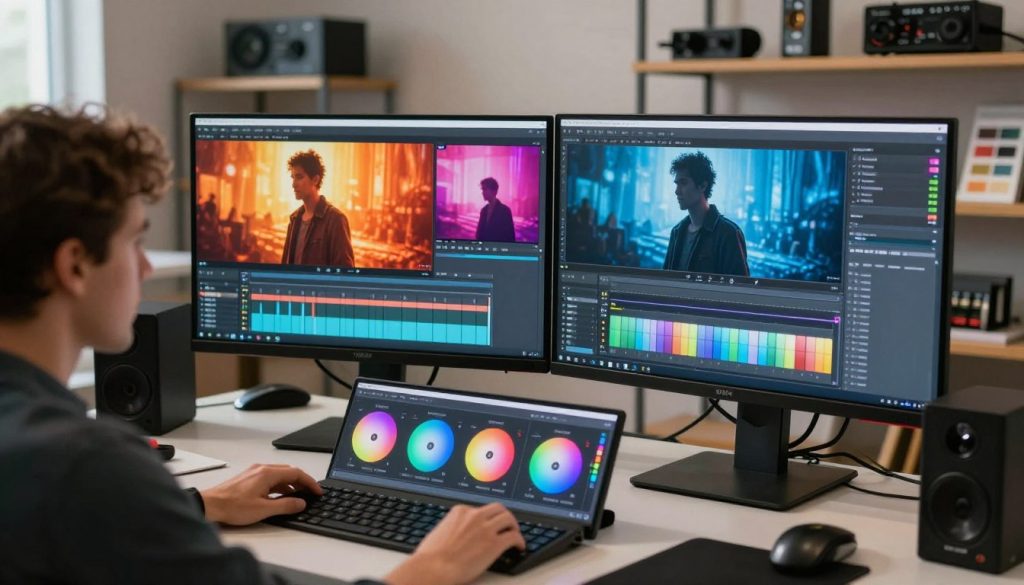
Your skill in using color grading can change how people feel about your project. By tweaking colors and contrast, you turn ordinary footage into something special. This makes your video feel more real and connects with your viewers.
Creating Custom LUTs for Signature Looks
Having a unique look is key for a brand to stand out. Custom LUTs help keep your videos looking the same, no matter the scene or light. Consistency is what makes your work look professional, and custom presets make it easy to keep your style.
Implementing Secondary Color Correction for Skin Tones
Stylish color grades can make your video pop, but they can also mess up skin tones. Secondary color grading is crucial for keeping skin looking natural. You can adjust other colors without affecting skin tones, making sure everyone looks their best.
Using Masking to Isolate and Enhance Focal Points
Masking helps draw attention to key parts of your video. By focusing on specific areas, you create depth and visual hierarchy. This keeps your viewers interested and makes sure important subjects stand out.
Building a Professional FX Stack
Professional editors know that a solid fx stack is key to great visuals. Organizing your workspace helps every choice add up to a cohesive final product. This method lets you try out complex pmv advanced effects without losing track of time.
Layering Particle Effects for Depth
To add depth to scenes, start with a base layer of dust or light leaks. This sets the mood. Then, add more particles to make the scene feel three-dimensional.
This approach boosts your work’s production value. Careful layering keeps your screen clean while keeping it interesting. Remember, sometimes less is more for a cinematic look.
Managing Plugin Chains for Efficiency
Keeping your plugin chains organized is key for a smooth workflow, especially with pmv advanced effects. Group your plugins by function to stay organized. This makes it easier to see which effects use the most power.
“Efficiency in the edit suite is not just about speed; it is about creating a sustainable environment where your creativity can flourish without technical interruptions.”
A clean fx stack lets you turn chains on or off easily. This saves time and keeps your software running smoothly. Here’s a simple way to organize your plugins:
| Plugin Category | Primary Function | Performance Impact |
|---|---|---|
| Color Correction | Tone and Mood | Low |
| Particle Systems | Depth and Texture | High |
| Motion Blur | Fluidity | Medium |
Balancing Performance and Visual Fidelity
Always aim to balance visual quality with your hardware’s limits. If your system can’t handle it, use proxy files or lower-resolution previews. This keeps your editing smooth even when pushing your software.
Clearing your cache and watching your hardware usage helps avoid crashes. Finding the right balance lets you achieve pro results without slowing down. Consistency is key to mastering these challenges.
Advanced Motion Graphics and Keyframing
Mastering advanced motion control can turn static elements into lively visuals. Professional video production needs precise keyframing for smooth movements. This makes every action feel organic and not stiff.
Utilizing Bezier Curves for Natural Movement
Bezier curves are key to smooth animation. By tweaking these curves, you control how objects move. This precise control helps in creating natural-looking animations.
Instead of stiff lines, aim for smooth paths. This guides the viewer’s eye naturally. Even small tweaks to the animation can greatly impact the scene’s feel.
Implementing Camera Shake and Lens Distortion
Simulating camera shake adds realism to your videos. It makes still shots feel alive. Just remember, keep these shakes small to avoid distracting the viewer.
Lens distortion also boosts your video’s cinematic feel. It adds the unique look of high-end lenses. These details make your video stand out as professional.
| Technique | Primary Benefit | Visual Impact |
|---|---|---|
| Bezier Curves | Smooth Velocity | High Fluidity |
| Camera Shake | Added Realism | Dynamic Energy |
| Lens Distortion | Optical Depth | Cinematic Texture |
Synchronizing Visuals with Audio Dynamics
To make a video stand out, you need to match visuals with audio perfectly. This creates a cohesive and immersive experience for viewers. It keeps them hooked from start to finish.
Mapping Visual Transitions to Beat Drops
Match your visual changes with the music’s beat drops for a smooth flow. Find the music’s high points to place your cuts. This strengthens the connection between viewer and content, making editing feel natural.
Be consistent with beat-based editing. Make big scene changes on the downbeat and small ones on off-beats. This rhythmic structure keeps viewers engaged and excited.
Using Audio Spectrum Analysis for Reactive Effects
Use audio spectrum analysis for effects that move with the music. Modern tools let you link visuals to audio frequencies. This makes the screen seem to pulse with the music.
Adding these effects makes your project more sophisticated. They can be set to kick in during the music’s high points. This keeps visuals impactful without being too much. Using these tools saves time and improves your project’s quality.
Advanced Masking and Rotoscoping Workflows
Masking and rotoscoping used to be super labor-intensive in video making. You might remember spending hours tracing frames to pick out a subject. But now, AI has changed the game, making it fast and easy to get pro results.
With AI, you can spend more time on creative stuff like storytelling. Automating your workflow helps you grow your production without sacrificing quality.
Automating Rotoscoping with AI Tools
Today’s software has cool AI features for quick subject isolation. Tools like Roto Brush 3.0 in After Effects or Magic Mask in DaVinci Resolve use AI to track movement. Just tell the software who the subject is, and it does the rest.
These tools are great for fast-moving scenes or tricky backgrounds. Consistency is key, and AI keeps your masks smooth even with quick movements or shape changes. This was hard to do by hand without a lot of work.
Refining Edge Detection for Seamless Compositing
After AI makes your mask, you need to smooth out the edges for a natural look. AI masks can look too sharp or jagged, making the subject and background look separate. You need to add feathering and edge softening to blend them well.
Also, fixing color spill is crucial for a seamless composite. If your subject was filmed against a certain background, use spill suppression tools to remove color reflections. This makes your final shot look like one piece.
| Tool Name | Primary Strength | Ease of Use | Best For |
|---|---|---|---|
| After Effects Roto Brush | Temporal Stability | High | Complex Motion |
| DaVinci Magic Mask | Color-Based Tracking | Very High | Quick Isolation |
| Runway Gen-2 | Cloud-Based AI | Medium | Remote Workflows |
Implementing Cinematic Lighting and Glow Effects
Want to make your footage pop? Advanced lighting can do the trick. Cinematic lighting can change the mood of your footage, even if it was dull before. By tweaking your fx stack, you can make your project more engaging.
Simulating Volumetric Lighting in Post-Production
Post-production volumetric lighting adds depth and atmosphere to your scenes. It mimics how light interacts with particles in the air. Adding these light rays makes your scenes feel more real.
To get this effect, use radial masks or light-wrap plugins. Adjust the opacity and color of these rays to match your footage. This small tweak can make your work look much better.
Applying Bloom and Diffusion for Dreamy Textures
Bloom and diffusion filters create soft, dreamy textures. They soften digital sharpness and add a glowing halo to highlights. Adding these to your fx stack makes your work look more polished.
When using these filters, focus on the brightest parts of your image. A light touch is best to keep your original look intact. Here’s how different lighting changes affect your work:
| Effect Type | Primary Purpose | Visual Impact | Complexity |
|---|---|---|---|
| Volumetric Rays | Depth & Atmosphere | High | Moderate |
| Bloom Filter | Softness & Glow | Medium | Low |
| Diffusion | Dreamy Texture | Subtle | Low |
| Light Leaks | Continuity | High | Moderate |
Advanced Transitions and Scene Flow
Transitions are like invisible threads that tie your story together. Mastering how scenes move keeps your audience engaged. Strategic transitions avoid sudden cuts that can disrupt the viewer’s focus.
Creating Seamless Morph Transitions
Morph transitions smoothly move between clips. To do this, mirror your clips by duplicating the layer and flipping it horizontally. This keeps the visuals flowing smoothly.
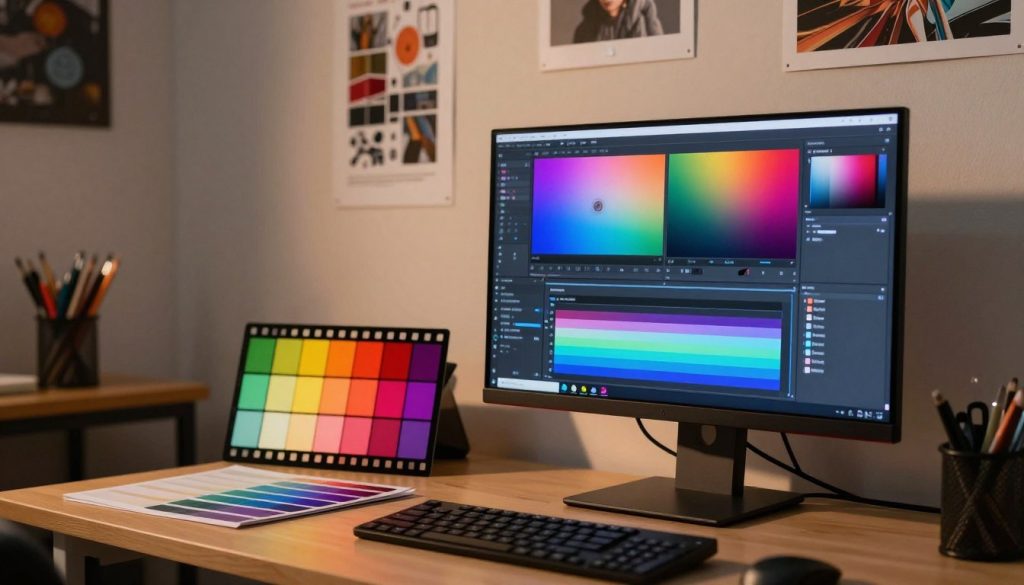
This method works well when both clips have similar shapes or movements. Aligning keyframes carefully makes the transition seem natural. Consistency in motion is crucial for a professional look.
Utilizing Light Leaks and Overlays for Continuity
Light leaks and overlays connect different scenes. They add texture and help hide any differences in footage. They also help keep your project’s color scheme consistent.
Choose a light leak that fits your scene’s mood. A soft overlay blends clip edges, making scene changes smooth. These tools help keep your visuals in harmony and improve the color grading.
Troubleshooting Common Technical Hurdles
Technical problems are common in high-end video production. But, they don’t have to stop your work. With a proactive approach to system care, you can handle these issues. This way, your production stays on track without delays.
Resolving Rendering Errors and Artifacts
Rendering errors or visual artifacts might mean your hardware is overloaded. These problems often happen when your plugin chain is too complex. Try simplifying your effects or disabling unused plugins to fix it.
Also, make sure your graphics drivers are up to date. This ensures your editing software works well. If problems continue, try breaking your project into smaller parts. This helps find the exact cause of the issue. System stability is key when working with high-quality assets.
Managing Large Project Files and Cache
Big project files can slow down your system if not managed well. Your software uses a cache for temporary data, which can grow too big. Clearing your cache regularly is a simple yet essential step to keep your system running smoothly.
Consider storing your project files and media on a fast SSD. This boosts your system’s speed. Keeping your project organized helps you find and fix problems quickly. A clean workspace means your computer stays optimized for peak performance during editing.
Conclusion
Mastering advanced effects and technical workflows is key to making your PMV production top-notch. You now have the skills to turn raw footage into stunning visuals. These visuals will grab attention in a busy digital world.
Being consistent is crucial for building a loyal fan base. Spend time perfecting every detail in your work. Even small tweaks in color grading or motion graphics can make a big difference.
Always look for new plugins and AI tools to keep your editing fresh. The world of video editing changes fast. Staying curious and trying new things will keep your content exciting.
As you get more experience, these complex techniques will become second nature. You’ll focus more on your creative vision and less on the software. Your storytelling skills will improve with each project.
Share your latest work to get feedback and improve. Your journey as a creator never ends. Keep exploring and pushing the limits of what you can do.
FAQ
What hardware should you prioritize for high-end pmv advanced effects?
For pmv advanced effects, you need top-notch hardware. NVIDIA GeForce RTX GPUs are key, with their Tensor Cores for AI tasks. A multi-core processor like an AMD Ryzen 9 or Intel Core i9 is also crucial. This combo ensures smooth rendering and machine learning without lag.
Which software suites are best for creating a professional fx stack?
Adobe After Effects and DaVinci Resolve are top choices for a professional fx stack. They let you use plugin chains from Boris FX Sapphire or Red Giant Universe. This gives you the tools to create deep textures and manage compositing tasks efficiently.
How does AI upscaling improve the visual clarity of your source footage?
AI upscaling tools, like Topaz Video AI, sharpen low-res clips by filling in missing pixels. This is key for keeping your project’s visuals sharp, especially with older or mixed content.
Why is frame interpolation essential for achieving smooth, cinematic motion?
Frame interpolation tools, like Flowframes or Adobe Premiere Pro’s Optical Flow, create new frames between existing ones. This makes standard footage look smooth and high-frame-rate, perfect for slow-motion and cinematic effects.
How can you maintain aesthetic consistency using style transfer?
Style transfer uses machine learning to apply one image’s look to your whole video. Tools like Runway help ensure all clips look consistent, boosting your project’s quality and narrative flow.
What role does color grading play in professional PMV production?
Color grading sets the mood of your video. By creating custom LUTs and secondary color correction, you can keep skin tones natural and enhance the environment. This is vital for blending clips smoothly and creating a cohesive look.
How can you automate time-consuming tasks like rotoscoping?
AI tools like Roto Brush 3.0 in Adobe After Effects can automate rotoscoping. They improve edge detection, making it easier to isolate subjects and apply effects with precision, saving hours of manual work.
What is the most effective way to synchronize visuals with audio dynamics?
Map your visuals to specific music beats and frequency changes for an immersive experience. Audio spectrum analysis tools help your effects react to the music, making every transition feel connected to the soundtrack.
How do you prevent technical bottlenecks during the final export phase?
To avoid rendering issues, manage large files and clear your disk cache often. Use hardware-accelerated encoding, like NVENC, to ensure a smooth final product without system crashes.