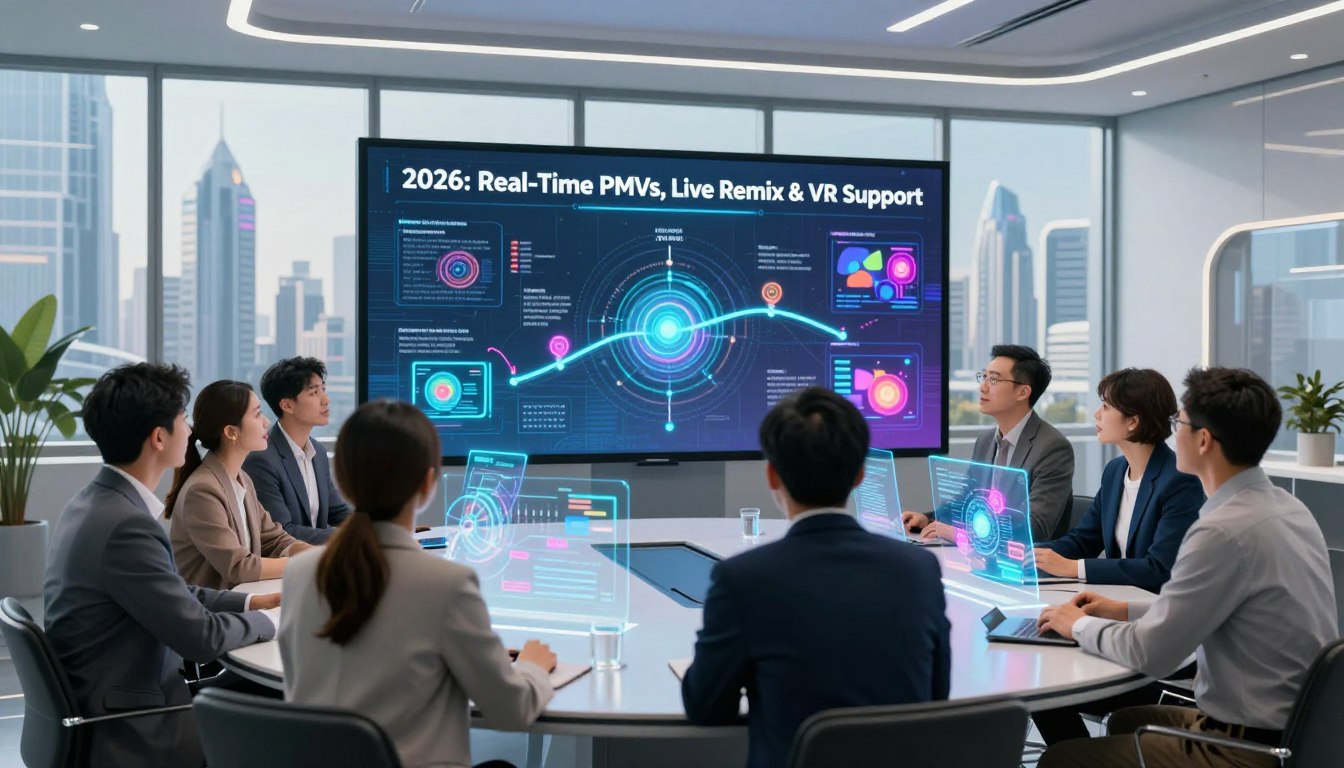
Ever thought about how digital tools will change your creative work by 2026? Like how we need a new way to plan green transport, the creative world is changing too. It’s moving to a fundamental shift in how we make things.
This comprehensive guide is your key to the ai porn pmv roadmap. It shows you how to use new tech to stay on top in a world that’s getting more automated.
Knowing how to use real-time rendering and immersive tools is now a must. By getting good at this ai-driven pmv world, you keep your work fresh. Get ready to see the future of porn making with this roadmap for your next pmv project.
Key Takeaways
- Learn how real-time rendering is changing content creation standards.
- Discover the impact of immersive VR support on viewer engagement.
- Understand the shift toward automated production workflows by 2026.
- Gain insights into sustainable strategies for digital media development.
- Master the tools necessary to stay competitive in an automated market.
Setting Up Your AI Porn PMV Roadmap
Creating a successful ai porn pmv roadmap starts with a clear vision for the year ahead. You need to know your technical skills and what you need to produce. This helps keep your work focused and growing.
Organizing your projects early sets up a strategic framework. It lets you adjust as new tech comes out.
Defining Your Creative Goals for 2026
Start by figuring out what you want to achieve with your visual content. Maybe you want to create hyper-realistic characters or try new artistic styles. Setting clear goals is key.
Sticking to your goals helps you build a loyal fan base. It also lets you improve your skills over time.
“The secret of getting ahead is getting started. By defining your objectives today, you pave the way for the innovations of tomorrow.”
Selecting the Right Software Ecosystem
Picking the right software is crucial for your daily work. You must choose between community-driven platforms and professional software. This choice will shape your ai porn pmv roadmap for the year.
Evaluating Open-Source vs. Proprietary Tools
Knowing the differences between open-source and proprietary software helps you use your resources wisely. The table below shows key differences to consider when setting up your production environment.
| Feature | Open-Source | Proprietary |
|---|---|---|
| Cost | Free/Low | Subscription |
| Customization | High | Limited |
| Support | Community | Dedicated |
| Updates | Frequent | Scheduled |
Your ai porn pmv roadmap should balance your budget and creative freedom. Choosing the right tools now avoids technical problems later.
Hardware Requirements for Real-Time Processing
To get seamless real-time rendering, focus on key hardware in your pmv roadmap. High-fidelity AI generation needs a solid base for complex math without lag. Choosing the right parts now keeps your work smooth as projects get more complex.
Optimizing GPU Performance for AI Rendering
The graphics processing unit is crucial for AI work. Look for cards with lots of VRAM capacity for big models and textures. The latest drivers and hardware acceleration settings cut down render times a lot.
| GPU Tier | VRAM Capacity | Ideal Use Case |
|---|---|---|
| Entry Level | 8GB – 10GB | Basic image generation |
| Mid-Range | 12GB – 16GB | Real-time video remixing |
| High-End | 24GB+ | Professional 4K AI workflows |
Managing Thermal Constraints During Long Sessions
Long rendering sessions can get very hot, causing thermal throttling. This slowdown can ruin your live streams. Keeping your gear cool is key to avoiding damage and ensuring it lasts.
Cooling Solutions for High-Intensity Workloads
Good airflow is the best way to keep your system running well. Here are some cooling tips to avoid slowdowns:
- Liquid Cooling Loops: Use AIO coolers for your CPU to keep ambient case temperatures lower.
- High-Static Pressure Fans: Install fans that force air directly across your GPU heatsink.
- Optimized Case Layout: Ensure a clear path for intake and exhaust to prevent hot air pockets.
With these cooling tips, you protect your investment and keep frame rates high for professional content. A cool machine is essential for a successful pmv roadmap that lasts.
Mastering Real-Time AI Generation Tools
To make a top-notch pmv roadmap, you need to get good at live AI rendering. Knowing how to use these tools well lets you make content that really pops. This way, your shows will always look great.
Configuring Stable Diffusion for Live Streams
For success, you must make your software run fast. Stable Diffusion needs special settings to work well during live shows. Your main goal is to keep everything running smoothly.
- Use TensorRT acceleration to boost inference speeds.
- Enable xformers to reduce memory overhead during generation.
- Set up a dedicated local server to minimize network-related latency.
Utilizing Latent Space Interpolation
Latent space interpolation makes your visuals flow smoothly. It avoids sudden changes, making your content mesmerizing. This keeps your viewers hooked from start to finish.
Getting good at this makes your work look more polished. Here’s a table to show how standard vs. interpolated outputs differ.
| Feature | Standard Generation | Interpolated Output |
|---|---|---|
| Transition Speed | Instant/Abrupt | Fluid/Gradual |
| Visual Cohesion | Low | High |
| Viewer Retention | Moderate | Excellent |
Adjusting Frame Rates for Fluid Motion
Lastly, you need to adjust frame rates for smooth motion. High frame rates use more GPU power. Find the right balance to keep your visuals clear and engaging.
Integrating Live Remix Features into Your Workflow
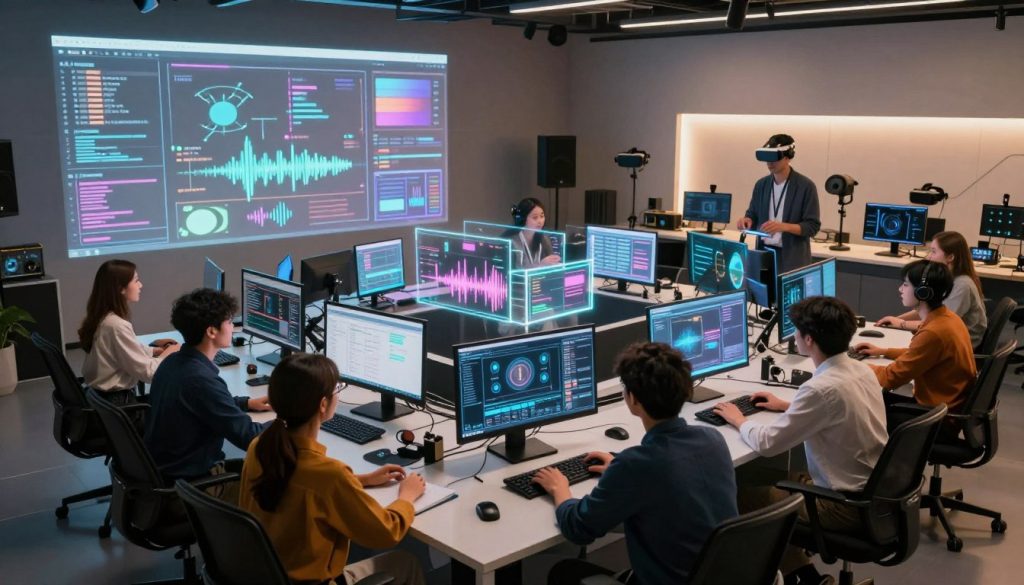
Today’s production world needs quick and flexible work to keep viewers hooked. Live remix features turn static visuals into dynamic, reactive experiences that match your music. Just like Miro’s AI helps teams grow on existing work, these tools let you add new elements live.
Mapping Audio Beats to Visual Transitions
Good production mixes sound and sight perfectly. Now, you can link audio beats to visual changes automatically. This seamless integration makes sure every sound change matches your visuals.
Advanced software reads your music’s rhythm and turns it into commands for visuals. This makes your show feel smooth and polished.
Automating Scene Changes with AI Triggers
Switching scenes manually can be tiring and error-prone. AI triggers can now do it for you, based on audio or user actions. These future features let your system change scenes, adjust lights, or swap models without your input.
Here’s why automated triggers are great:
- Reduced Latency: AI is faster than humans at switching scenes.
- Consistency: Your shows always look great.
- Focus: You can talk to your audience more.
Customizing Remix Presets for Different Genres
Being versatile is key when working on many types of content. Make special remix presets for each genre. For example, fast electronic music needs quick visuals, while slow music should have smooth changes.
Having a preset library means you can change your visuals fast. Save these as reusable templates to make future shows easier. This keeps your content fresh, no matter the music style.
Optimizing VR Support for Immersive Experiences
Virtual reality is a thrilling future feature for creators. It lets you create immersive digital experiences like never before. By turning your content into 3D, you give viewers a presence that flat screens can’t match.
This change means you need to rethink your rendering and output settings. It’s a big step towards creating truly immersive experiences.
Configuring Stereoscopic Output Settings
To get a real VR effect, you need to render two camera views. This method, called stereoscopic output, tricks the brain into seeing depth. Precision is key to avoid visual problems that ruin the illusion.
Make sure your software can output in formats like side-by-side or top-bottom. These formats are needed for modern VR headsets. Also, keep your frame rate steady, as VR needs a lot of GPU power.
Ensuring Head-Tracking Compatibility
Good VR needs to respond to movement. Head-tracking lets viewers look around freely, which helps avoid sickness. If the visuals don’t match the head’s movement, it can cause discomfort.
Use low-latency tracking to keep the visuals smooth. This makes the virtual world feel real and stable. Smooth motion is crucial for great VR experiences and keeps viewers coming back.
Testing Field of View for VR Headsets
Testing the field of view (FOV) is crucial before finishing your project. Different headsets have different views. If your content doesn’t fit, viewers might miss important details or feel disoriented.
Use tools to test how your content looks on different headsets. Adjust your camera settings to fit the most common FOV. Regular testing ensures your future features meet high standards of immersion.
Synchronizing Audio and Visuals with AI Automation
Today’s tech lets you connect your visuals to your music’s beat. The goal is to make your audio and visuals work together perfectly. This makes your content stand out.
Implementing Real-Time Audio Analysis
First, use Fast Fourier Transform (FFT) to break down your music. This lets your AI pick out different sounds in real-time. Then, link these sounds to your visuals for a dynamic show.
Most pros use digital audio workstations for live streams. This innovation keeps your visuals in sync, even with fast music. Choose tools that process quickly for a smooth experience.
Aligning Visual Tempo with Music Tracks
To match your visuals with the music, use BPM detection. Set your AI to change scenes or effects with each beat. This keeps your audience hooked.
Keeping your triggers consistent is crucial. A good beat-tracking plugin helps across genres. This level of innovation makes your work professional.
Fine-Tuning Sync Offsets for Professional Results
Even with AI, you might see a delay between sound and visuals. Adjust your sync offsets to fix this. A small tweak can greatly improve your work.
| Method | Precision Level | Ease of Use | Latency |
|---|---|---|---|
| FFT Analysis | High | Moderate | Low |
| BPM Triggering | Medium | High | Very Low |
| Manual Keyframing | Very High | Low | Zero |
Test your settings with various music to keep your sync offsets consistent. Regular testing is key to a reliable workflow. With these adjustments, your visuals will shine with professional quality.
Advanced Prompt Engineering for Dynamic PMVs
True innovation in AI-driven video production begins with crafting the right prompts. By honing these skills, you keep your projects top-notch and engaging. The key to success lies in controlling your AI models with precision.
Developing Consistent Character LoRAs
Creating a consistent character LoRA is crucial for keeping your subjects recognizable. Train your models with various angles and lighting to boost versatility. Proper weighting of these LoRAs prevents the AI from deviating from your desired style.
Using Dynamic Prompt Injection
Dynamic prompt injection lets you introduce new elements in real-time while keeping your work’s essence. This innovation allows for quick changes in attributes like clothing or settings. Automating these changes can sync with your audio for a smooth experience.
Managing Style Consistency Across Sequences
Keeping a consistent look in long-form content demands a strict approach to global prompts. Use a master style prompt as a base for every frame. This innovation in workflow ensures color grading and artistic filters stay consistent, even with changing scenes.
| Technique | Primary Benefit | Complexity Level |
|---|---|---|
| Character LoRAs | Identity Retention | High |
| Prompt Injection | Real-time Variety | Medium |
| Global Style Tags | Visual Cohesion | Low |
Managing Latency in Live Streaming Environments
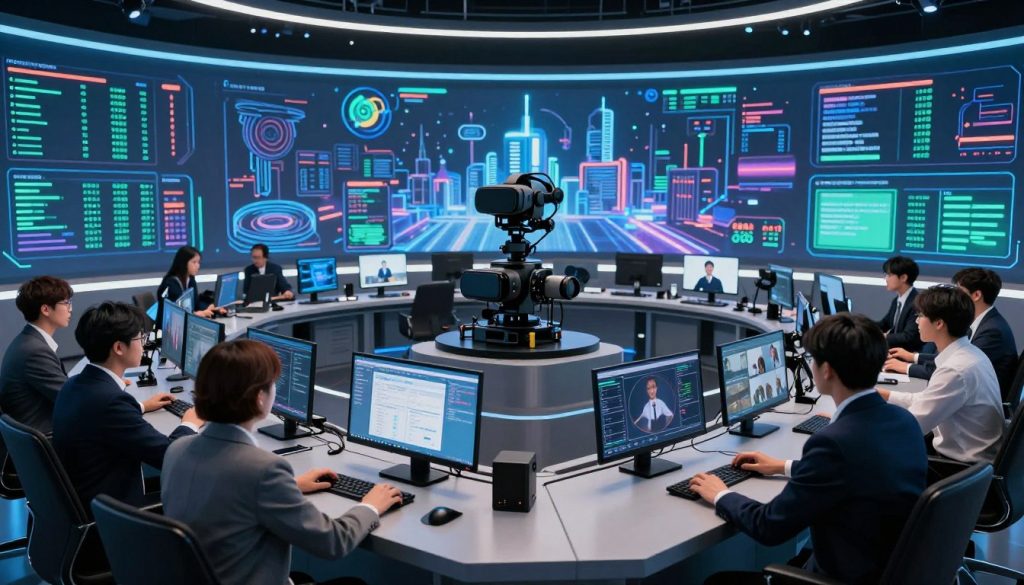
To truly innovate in live streaming, managing your pipeline’s speed is key. Broadcasting high-resolution AI content requires quick responses to avoid delays. A streamlined architecture is crucial for smooth interactions.
Reducing Input Lag in AI Pipelines
Input lag often comes from complex computations in your rendering engine. To fix this, use optimized quantization to speed up processing. This way, your hardware can handle frames quickly without losing quality.
Also, reduce the buffer size in your capture software. Shorter queues mean frames reach viewers faster. This technical precision is vital for staying ahead in streaming.
Optimizing Network Bandwidth for High-Res Streams
High-resolution streams need fast upload speeds to stay clear. Watch your network traffic to avoid packet loss, which can cause stuttering. Use adaptive bitrate streaming to adjust to internet changes.
Using hardware-based encoders also helps. It lets your CPU focus on other tasks, keeping your stream stable. This innovation improves your broadcast quality.
Choosing the Right Streaming Protocols
Picking the right protocol is crucial for low latency and stability. Each protocol has its own strengths based on your setup and audience.
- RTMP: Wide compatibility but may have higher latency.
- SRT: Great for high-quality, low-latency streaming over unstable networks.
- WebRTC: Ideal for fast, sub-second interactions, perfect for AI apps.
Choosing the right protocol boosts innovation and viewer experience. Always test your connection under load to meet your bitrate needs.
Scaling Your Production with Cloud-Based Rendering
Looking beyond your desk for processing power is key in the digital world. When your local hardware can’t handle high-resolution AI, the cloud is the best solution. This move keeps your output quality consistent and cuts down wait times for renders.
Leveraging Distributed GPU Clusters
Distributed GPU clusters offer the power needed for big rendering tasks. By using many virtual machines, complex scenes render much faster. This distributed approach keeps your creative flow smooth, even when you’re busy.
Managing API Costs and Resource Allocation
Scaling up means watching your budget closely to stay profitable. Like Databricks teaches for analytics, you need to track your usage to avoid high costs. Strategic resource allocation lets you only pay for what you use, keeping costs low as you grow.
Automating Render Queues for Efficiency
Handling render tasks manually slows you down. Automated render queues let you work on new ideas while projects run in the background. This automation is crucial for a high-volume workflow without losing quality.
| Feature | Local Rendering | Cloud Rendering |
|---|---|---|
| Initial Cost | High (Hardware) | Low (Subscription) |
| Scalability | Limited | High |
| Maintenance | Manual | Automated |
| Performance | Fixed | Dynamic |
Ensuring Ethical Compliance and Content Safety
The fast growth of innovation in AI content creation needs a strong focus on safety and legal rules. As you grow, it’s crucial to have solid systems to protect your audience and your ideas. Keeping high standards helps your creative work stay valued and respected online.
Implementing Automated Content Filtering
Using automated filters is key to keeping a safe space. These tools check content against safety rules. Consistency is key in using these filters for all your work.
“True creative freedom in the digital age is only possible when it is anchored by a foundation of responsibility and ethical oversight.”
Managing Metadata and Copyright Attribution
Protecting your creative rights means paying close attention to metadata and who gets credit. Adding clear ownership data to your files helps prove your work’s origin. This not only protects your work but also promotes honesty and innovation among creators.
- Use standardized schemas for all generated media.
- Maintain a secure log of prompt engineering techniques.
- Verify the licensing status of all training datasets.
Securing Your AI Models Against Unauthorized Access
Your custom models are big investments of time and skill. You need strict controls to stop unauthorized access. Following standards like the ISO 42001 certification for AI management helps keep your data safe.
Like Miro AI’s advanced security, focus on encryption and multi-factor authentication. Strengthening your setup keeps your innovation safe from threats. Always check your access logs to keep your production area secure and up to code.
Troubleshooting Common Technical Bottlenecks
Technical innovation brings great power to your creative work. But, it also brings unique challenges. When you push your hardware too hard, you might see performance slow down. It’s important to manage these issues well to keep your work flowing smoothly.
Diagnosing Memory Leaks in AI Engines
Memory leaks happen when your AI engine doesn’t free up VRAM after a task. You can spot these by watching your GPU usage over time. If memory use keeps going up without dropping, you have a leak.
To fix this, restart your app often to clear the cache. Use special tools to find out which parts are using too much memory. Keeping an eye on things helps you keep your work top-notch.
Resolving Driver Conflicts and Compatibility Issues
Updating your software is key, but it can cause driver conflicts. Always check that your GPU drivers match your AI software’s latest version before updating. If you get errors, try going back to a previous driver version.
Look at your logs often to find missing pieces or library problems. Keeping your setup clean helps avoid big problems. Regular upkeep is key to success.
Restoring System Stability After Crashes
System crashes are annoying, but you can fix them. Start by doing a hard reboot to stop all background tasks. Then, check your temporary files and delete any bad cache data that might cause problems again.
Writing down these fixes helps improve your workflow over time. System stability is crucial for your creative work. So, always focus on these steps when things go wrong.
Conclusion
You now have a detailed guide to navigate the world of AI in production. By learning about real-time rendering and VR, you can lead in digital media. This puts your creative work at the top.
The world of making content changes fast with new tools coming out. Your ability to keep up with these changes is key to your success. Keep an eye on new software and hardware to stay ahead.
Use these tips to explore new ways to express your art. Try out different methods to find styles that connect with your audience. By improving your skills, you’ll stay ahead in this changing field.
Join the community to share what you’ve learned and get ideas from others. Being part of a network keeps you updated on the latest trends. Your path to high-quality, automated production begins with today’s actions.
FAQ
What are the primary goals of the 2026 pmv roadmap for digital creators?
The pmv roadmap aims to shift your workflow to real-time rendering, VR support, and live remixing. It helps you move from static videos to dynamic, interactive ones. These videos can change instantly based on audience input and audio.
How can I ensure my hardware is ready for the next wave of innovation in AI generation?
To stay ahead, focus on improving your GPU’s performance and managing heat. You need high-end hardware for real-time processing. This ensures your system can handle complex AI tasks without slowing down.
Which software ecosystems are best for implementing these future features?
Use platforms like Stable Diffusion for live streams and Miro for project mapping. These tools help integrate new features into your workflow. They work like Databricks does for large data and analytics in professional settings.
How do I synchronize audio beats with visual transitions automatically?
Use real-time audio analysis to link audio beats to visuals. AI triggers can automate scene changes and tempo. This makes your content react to music without manual editing.
What is the best way to handle scaling production through cloud-based rendering?
Use distributed GPU clusters for big workloads. This approach is like Databricks for managing large data. It helps keep costs down and resources efficient as you produce more.
How can I maintain ethical compliance and content safety with advanced AI tools?
Use automated content filters and protect your models from unauthorized access. Miro AI’s ISO 42001 certification is a good example. It ensures your content meets global standards and keeps your work safe.
What steps should I take to ensure my VR content is fully immersive?
Focus on setting up stereoscopic output and ensuring head-tracking works well. This creates a seamless, 360-degree experience. It keeps high quality without any delay.
How do I troubleshoot common technical bottlenecks like memory leaks in AI engines?
Regularly check your AI pipeline and fix driver issues quickly. Keep your software clean and update Stable Diffusion. This reduces lag and prevents crashes during live streams.
Why is prompt engineering so critical for the future of dynamic PMVs?
Advanced prompt engineering keeps your visuals consistent across scenes. It ensures your AI-generated content looks stable and recognizable. This is key for real-time productions.