Ever wonder why some videos grab your attention while others don’t? The key is in the editing flow. Professional-grade techniques turn raw footage into a captivating masterpiece.
Learning specific movement styles can make simple clips shine. Whether it’s for complex projects or ai porn pmv transitions, mastering time and space is crucial. This ensures every cut and effect has a purpose.
This guide covers the tools to boost your creative work. You’ll learn about cuts, wipes, warps, and light leaks. These skills will help your content stand out.
Key Takeaways
- Learn the basics of professional video pacing and flow.
- Discover how to use wipes and warps to keep things interesting.
- Understand how light leaks affect the mood of your video.
- Master techniques to keep your audience hooked from start to end.
- Apply advanced editing strategies to your unique digital projects.
Setting Up Your Editing Environment for AI Porn PMV Transitions
Your creative journey starts with a well-organized workspace. When you work on ai porn pmv transitions, a solid technical base lets you focus on your art. A professional setup means your hardware and software work together smoothly, handling big files well.
Selecting the Right Software for Motion Design
Choosing the right software is key for top-notch motion design. You need something that supports advanced features like keyframing and high-speed rendering. Many experts choose Final Cut Pro for its reliability and wide range of tools.
Pixel Film Studios offers over 2,000 plugins for Final Cut Pro. Their one-time purchase model is affordable, letting you grow your creative tools without ongoing costs. These plugins can make creating complex effects much faster.
Organizing Your Media Assets and AI-Generated Clips
Handling lots of AI-generated content needs a clear plan. Create a standardized folder structure for each project. This keeps raw clips, exported sequences, and project files separate, avoiding lost assets during editing.
Sorting your media by scene or transition type saves time. A tidy project bin helps you find specific clips for your ai porn pmv transitions quickly. Spending time on organization early on keeps your motion design projects professional and easy to manage.
Mastering the Art of the Cut
Professional motion design needs a deep grasp of how cuts shape the emotional journey of your work. The cut is the most basic tool for setting pace and story flow. Mastering these transitions ensures your project looks polished and keeps viewers hooked from start to end.
Matching Beats to Visual Changes
Aligning your visual edits with the audio track creates a subconscious connection that draws the viewer into the sequence’s rhythm. This is key for top-notch pmv transitions. Find the music’s peaks and place your cuts right on those beats for maximum effect.
Creating Rhythm Through Jump Cuts
Jump cuts boost intensity and keep energy high in your video. By cutting out small parts of time, you focus the viewer on key visuals. This editing style adds urgency, ideal for quick-paced content.
Using Hard Cuts for High-Energy Sequences
Hard cuts offer a clean, immediate switch, perfect for high-energy scenes. Unlike softer transitions, they don’t add extra effects. They let your motion design shine without clutter.
| Cut Type | Best Use Case | Visual Impact |
|---|---|---|
| Beat Match | Musical climaxes | High synchronization |
| Jump Cut | Building tension | Urgent and sharp |
| Hard Cut | Fast-paced action | Clean and direct |
Choosing the right cut for your pmv transitions depends on the mood you aim for. Try out different styles to find your unique editing signature. Always focus on the story’s flow to make your cuts seem deliberate, not random.
Implementing Wipe Transitions for Dynamic Flow
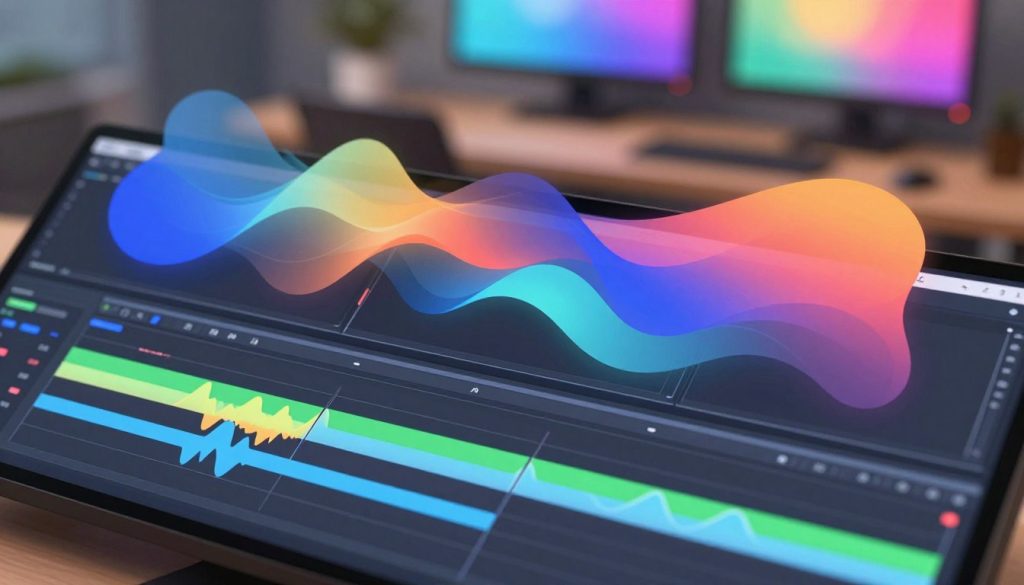
Wipe transitions connect your visual clips smoothly. They keep your project engaging. Using these effects makes your pmv transitions feel smooth, not jarring.
Standard Wipe Techniques in Modern Editing
Modern editing uses many wipe styles. Linear wipes move from one side to another. Radial or clock wipes add a circular motion for a unique look.
| Wipe Type | Best Use Case | Visual Impact |
|---|---|---|
| Linear Wipe | Standard scene changes | Clean and direct |
| Radial Wipe | Focusing on center points | Dynamic and circular |
| Gradient Wipe | Artistic, soft reveals | Sophisticated and smooth |
Customizing Wipe Edges and Softness
Professional motion design focuses on details. Adjust the edge softness to avoid harsh looks. A slight blur makes the transition blend well with your clips.
“The best transitions are the ones the audience feels, but does not necessarily notice. They serve the story, not the ego of the editor.”
Combining Wipes with Motion Blur
Motion blur makes a big difference. It adds a natural camera lens feel. This makes your pmv transitions look more professional.
Match the wipe speed with the music or action. This balance keeps your audience engaged from start to finish.
Applying Warp Transitions for Surreal Effects
Warp transitions are a cool way to link different AI scenes smoothly. They use pixel data to create a dreamy feel that regular cuts can’t match. This is great for keeping your pmv transitions engaging.
Understanding Optical Flow and Warp Mechanics
Optical flow is key to a good warp. It tracks pixel movement between frames to plan the transition. This makes the software create intermediate frames that mix the two images.
Here are the main things to know about warps:
- Vector Analysis: The software sees how objects move on the screen.
- Pixel Interpolation: It fills gaps between frames with new data.
- Motion Estimation: It guesses where pixels should go for a smooth transition.
Creating Seamless Morphing Between AI Characters
Morphing AI characters needs focus on their faces and bodies. If they’re too different, the warp might look odd. Choose clips where the characters are in similar poses.
To make the morphing look natural, align the eyes or key facial points. This strategic alignment avoids the “melting” look. When done right, the transition feels like a seamless bridge in your pmv transitions.
Adjusting Warp Intensity for Smooth Transitions
Getting the warp intensity just right is crucial for a pro look. Too high, and your subject might look stretched or torn. Too low, and the movement will be jumpy.
Here’s how to adjust:
- Begin with a low intensity and increase it until the motion feels smooth.
- Use keyframes to adjust the intensity at the start and end of the transition.
- Check for edge artifacts to keep your pmv transitions clean and polished.
Mastering these adjustments lets you control the surreal look of your work. Consistency is key to making these effects feel natural in your storytelling.
Enhancing Visual Impact with Light Leaks
Adding light leaks is key for improving your editing toolkit. These small flares add a cinematic feel to your footage. They make it look more organic and high-end.
By using these elements, you make your AI-generated clips look professional. This is a big step in polishing your work.
Sourcing and Layering Light Leak Overlays
Start by finding high-quality, 4K light leak assets. Look for files with high dynamic range for vibrant colors. Place them above your main video layer to layer them.
Consistency is key when using these overlays. Adjust the opacity to keep the effect balanced. A good editing toolkit has many styles, from soft to harsh.
Blending Modes for Realistic Light Effects
Blending modes make light leaks look real. They let the light interact with the video naturally. Here are the best modes for realistic effects.
| Blending Mode | Best Use Case | Visual Result |
|---|---|---|
| Screen | Subtle, soft light | Brightens dark areas |
| Add | High-intensity flares | Increases color saturation |
| Overlay | Contrast-heavy scenes | Blends light with textures |
| Linear Dodge | Bright, fast transitions | Maximum light intensity |
Timing Light Leaks to Peak Musical Moments
Sync light leaks with your audio’s rhythm. A light leak at a beat drop can highlight the visual change. This makes your video more engaging.
Always check your edit at full speed. Adjust timing as needed. Mastering these details will make you a pro in your editing toolkit.
Advanced Techniques for Seamless PMV Transitions
To improve your editing, you need to go beyond simple cuts. Using only standard presets can make your work seem generic. By exploring your software’s limits, you can create unique effects that grab attention.
Layering Multiple Transition Types
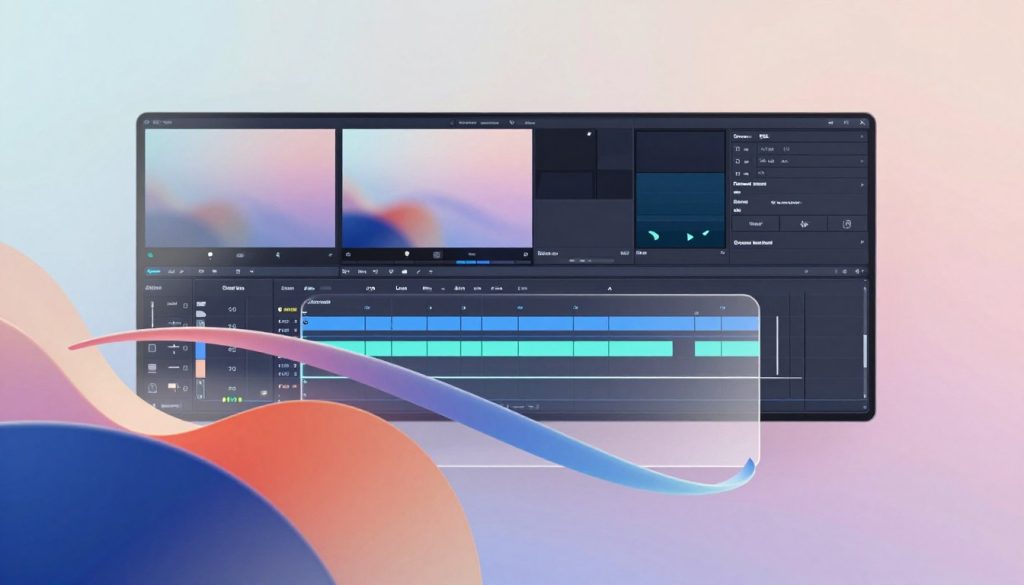
Mastery comes from mixing different effects to create something new. Instead of just one wipe or light leak, try combining them. This makes your cuts less noticeable and adds a professional touch.
For example, layering a blur with a light leak can hide a jump cut. This creative layering makes your transitions seem planned, not accidental. Try different blending modes to find the right look for your project.
Using Keyframes for Custom Transition Speed
Keyframes give you exact control over your edits’ pace. By tweaking the speed and acceleration, you can make transitions feel natural. Unlike linear transitions, custom curves add a smooth flow.
Use ease-in and ease-out settings for a more organic feel. This level of detail is what makes professional edits stand out. Remember, the rhythm of your movement should match the music or action.
Maintaining Continuity Across AI-Generated Scenes
Keeping your ai porn pmv transitions cohesive is key for engaging viewers. AI clips can differ in color, lighting, or character. Use color grading and consistent styles to link these gaps.
Visual continuity is what keeps your project unified. A consistent look keeps viewers engaged without being pulled out by sudden changes. Aim to match brightness and contrast levels for a smooth flow.
Troubleshooting Common Editing Issues
Mastering your editing toolkit is more than just creativity. It also means knowing how to solve technical problems. Even experienced editors face challenges with complex effects and high-resolution media. Being ready helps keep your work flowing smoothly.
Fixing Glitches in Warp Transitions
Warp transitions use complex calculations that can cause visual issues. If you see strange warping or ghosting, try re-calculating your motion vectors. Adjusting keyframe interpolation can also help. Clearing your cache is another good way to fix rendering errors.
If a new plugin doesn’t work with your system, you can get a refund within 7 days. Make sure your software is up to date to avoid problems with new hardware drivers.
Correcting Mismatched Frame Rates
Stuttering playback often comes from different frame rates in your footage and project. Make sure your footage matches your project’s frame rate for smooth motion. This simple step helps avoid the jittery look that can ruin fast-paced scenes.
Managing Render Times for Complex Effects
Complex effects can slow down your work if not managed well. Using proxy files lets you edit high-resolution clips without overloading your computer. You can also improve your editing toolkit by giving your software more RAM in the preferences menu.
| Issue Type | Primary Cause | Recommended Fix |
|---|---|---|
| Warp Artifacts | Cache Corruption | Clear Media Cache |
| Jittery Motion | Frame Rate Mismatch | Interpret Footage |
| Slow Rendering | High Resolution | Use Proxy Files |
By managing these technical issues, you keep your creative process smooth. A well-kept editing toolkit is key to professional success.
Optimizing Your Workflow for Faster Production
A streamlined workflow lets you focus more on art and less on repetitive tasks. In fast-paced environments, every second is crucial for your final product. By improving your editing toolkit, you avoid technical issues that disrupt your creativity.
Creating Presets for Frequently Used Transitions
Don’t spend time rebuilding the same effects for every project. Save your best transition settings as custom presets. This turns a long process into a single-click operation.
Many professional plugins let you use your license on up to 3 Macs at once. This means you can keep the same presets across all your devices. Consistency is key for a professional look in all your videos.
Utilizing Keyboard Shortcuts for Efficient Editing
Keyboard shortcuts are the quickest way to work in your timeline and apply effects. Learning the hotkeys for your editing toolkit can cut your time in half. Most editors find that custom keys for their most-used tools give them a big edge.
First, find the three tasks you do most often. Assign these to keys on your keyboard that are easy to reach. You’ll see how much smoother your editing gets when your hands stay on the keyboard.
Managing Project Files and Cache
How you manage your project files and cache affects your software’s stability. A messy cache can cause lag, which hurts your focus and slows down rendering. Clear your cache often to keep your software fast and responsive.
Organize your project assets in a clear folder structure before editing. A tidy setup prevents broken links and makes archiving easier. Proper file management is essential for a reliable and professional production setup.
Conclusion
Learning to mix cuts, wipes, warps, and light leaks will boost your video project quality. You now have the skills to turn raw AI clips into top-notch motion designs.
This guide has given you a solid workflow and troubleshooting tips. You’re ready to tackle tough editing tasks with confidence. How well you mix these elements will make your visual stories stand out.
Keep trying new things to find your unique style. To grow creatively, practice often and explore new software features. Tools like Adobe Premiere Pro or DaVinci Resolve are great for this.
Show off your latest work to get feedback from others. Improving takes time and effort. Start your next project today and see how these advanced transitions enhance your vision.
FAQ
Which professional software is best for creating high-quality motion design and PMV transitions?
For top-notch results, use an editing toolkit with advanced features. Adobe Premiere Pro, After Effects, or DaVinci Resolve are great choices. They offer the tools and engines needed for complex warp transitions and smooth morphing.
How can I ensure my AI-generated clips remain organized during a large project?
A solid workflow is key. Organize your AI-generated content into folders by type. This makes your editing toolkit easier to manage as your project grows.
What is the most effective way to match transitions to the rhythm of a track?
Align your hard cuts or jump cuts with the audio’s transients. This creates a rhythm that’s essential for pmv transitions. It makes sure the visuals match the music’s peaks.
How do I fix common glitches or stuttering in warp transitions?
Stuttering often comes from mismatched frame rates. Make sure all media is at the same frame rate. If issues still occur, try clearing your media cache or tweak the optical flow settings.
How can I make wipe transitions look more dynamic and natural?
Improve wipe transitions by customizing wipe edges and adding motion blur. This makes the transition smooth and natural, easing the viewer’s eye movement.
What blending modes should I use for realistic light leaks?
Use Screen or Linear Dodge (Add) blending modes for light leak overlays. These modes remove blacks, making the light look real during music peaks.
How do I manage long render times when using complex motion design effects?
To work efficiently, optimize your project settings. Lower playback resolution and use render proxies for high-res media. Regularly manage your project files and cache to avoid slowdowns during export.
What is the fastest way to apply frequently used transitions across multiple projects?
Speed up by creating custom presets for your best pmv transitions. Use keyboard shortcuts for tasks like trimming and keyframing. This boosts your production speed and keeps your creative flow.